Blog

  • The  Wonderful Journey Back Home

    The Wonderful Journey Back Home

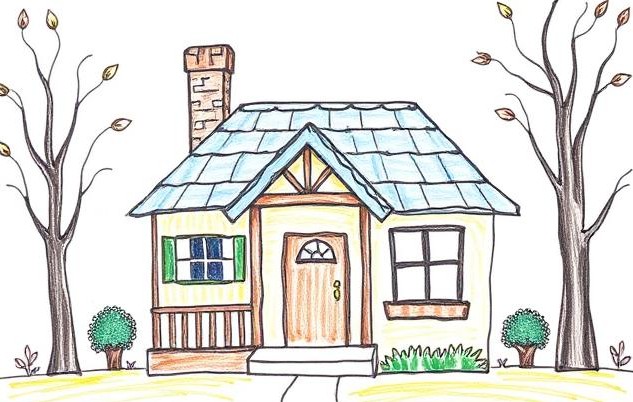
    Her childhood home is an ordinary brick-and-mortar house, one of the many box of matches scattered in the outskirts of the town. The white walls have turned dirty-grey and the corners weathered in time. The smallest house in town, but the most famous one, for the few lime trees that grow in front of it.

    The street has waited for tarmac almost a decade and the potholes have claimed their place after the snow this same year.

    She used to sneak out in the garden chasing butterflies instead of doing her homework, and gazing at the stars well past her bed time.

    She has grown and left the house. Home is where your heart is, they say. She has followed her heart to find a home and been looking for the right place ever since.

    She has lived in a megapolis with the widest of boulevards and the most blazing and flickering on neon lights. A place of wealth and indulgence, of an endless feast, and yet the loneliest and heartless of all corners of the world she has ever been.

    She has lived in a sleepy village with the peace and quiet. It turns that even the neighbours’ wall have ears. Silence becomes her hostile guardian and entombs her in an open prison.

    She has lived in a wooden cabin on the finest of golden beaches with sunbathed palms but the sun scorched her. Like a mermaid, she wishes to hide under the turquoise waves but the expanse would drowned her.

    She has lived on the highest of snow cupped peaks where neither a snow leopard can climb nor a vulture can fly over. The best place to gaze at the stars it is, and leave behind dark planet. But the beauty blinds her and the frost bites her flesh.

    She wanders between this country and that. Like a bird on the wing, she soar in the sky across borders to bridge the separate parts of her life.

    Now, she has grown old. She goes back to the small house with the lime trees. One life she needs to realise where is the best place she has ever known.

    They have knocked it down to make room for a modern block of flats. She sit in the coffee shop made of glass and steel. The huge TV screen on the wall hums as an artificial heart. She has dinner and stare at the distance where her home was. Most of the lime trees are cut off. The trunks, hollow and rotten, jut up. With the car engines revving and horn honking, the evening feels ultramodern.

    She leaves the coffee shop at sun set. Could she see any stars here with all the light pollution? she wonders. A car hits her. The driver runs. A crowd gathers at the scene for about an hour. The face keeps the wonder in the eyes.

    As the driver turns to be a young lad, a son of somebody important, and nobody claims the body, the event is considered as an act of God.

  • Let There be Dark: the Apocrypha of the Ultimate Chaos.

    Let There be Dark: the Apocrypha of the Ultimate Chaos.

    God created the earth from chaos, for five days created them all: light and dark, sun and planets, plants and animals. On the sixth day God performed their supreme act. They created the human by their own image.

    God followed the celestial pattern and built the Garden of Eden, and appointed Adam and Eve as workers in the Garden and protectors of nature and all living creatures. Above all, as spiritual pastors to the humankind.

    Adam and Eve lived in the Garden of Eden and had it all. Rivers of milk and honey run through the garden. Every tree good to look and eat grew there. The air brimmed with eternal life and bliss.

    And God said it plain to them. Don’t eat the fruit from the tree in the middle of the Garden!

    For God held the autonomous power over the Tree of the Knowledge of Good and Evil.

    But Eve listened to the Serpent’s evil words and ate the Forbidden Fruit, and tempted Adam into committing the sin too. By eating it, they profane the divine decree, corrupt the natural world and human nature. In other words, they rebelled against God and grasped the opportunity to make their own rules of what is good or evil.

    Now the humankind had the power of choice. But the choice went together with responsibility.

    Why did humans (and still do) choose the sin and evil over the virtue and good?

    Did they not know what things God detests?

    Murder, yet Cain killed his brother, Abel, out of anger and jealousy.

    An adultery, yet David lust for Bathsheba and killed her husband.

    Violence, yet Salome asked for John the Baptist’s head for revenge.

    Greed, yet Judas betrayed Jesus for thirty pieces of silver.

    Deceit, yet Jacob deceived his dying father, Isaac, into giving him the first-born blessing.

    Let us make a short digression. Nowadays, humans covet not only the neighbours’ land, but also the space inhabited by aliens. Still wage wars, for reasons known to the autocrat and their coterie, and shed innocent blood. It sounds like comparing apples to oranges, but certain people have more money than some nations in the world. It is legal. What is wrong with that then? And we claim to be wise but glorify and follow them. Now, go back to those times.

    God saw it was not good.

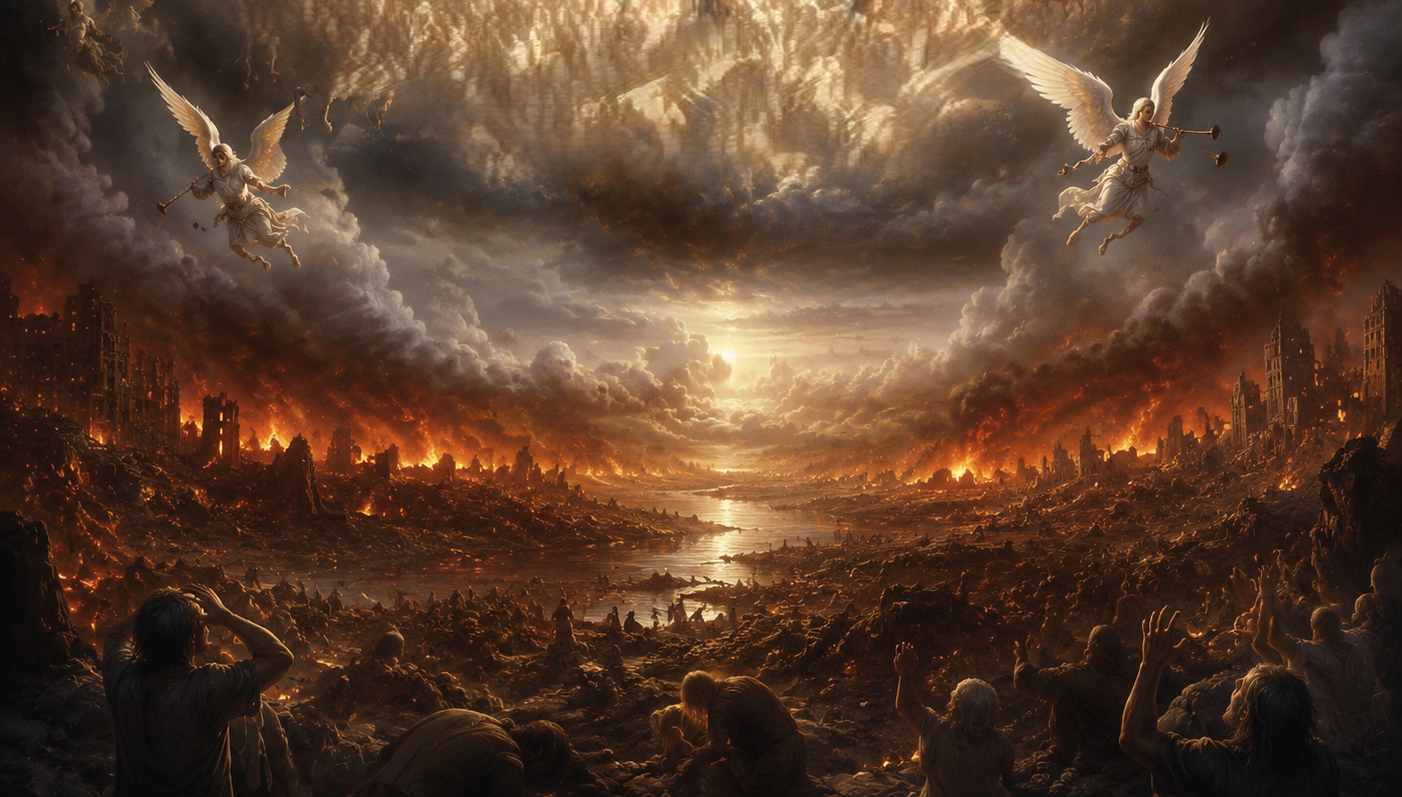
    Signs came to the humankind of the earth’s end times. Love grew cold, human stood against human, and nation against nation.

    The Lamb of God opened the Seals.

    The angels blew the trumpets.

    God poured out the bowls of their wrath.

    And all the people, kings with worldly treasures and shepherds with their cattle, all proud and greedy, run to mountains for peace and safety and pray, Hide us from the divine wrath!

    But human breath turned cold and the body crumbled like a weathered statue. It turned back to its beginning.

    Birds fly too high in the sky, and fish swim too deep in the sea, never to appear again.

    The sun becomes as dark as black cloth, and the moon as red as blood. Stars of heaven fell to the earth like figs shaken by a mighty wind.

    The earth shook and trembled, and every mountain and island moved out of its place.

    Firmament and all the visible expanse receded to a rolled-up scroll.

    Light and dark blend in the primordial nonbeing. Day and night grew timeless. All sank into chaos.

    God said, Let there be dark.

    © 2026 Homo Ignoramus. All rights reserved.
  • The Sylvan Lady of the Old House

    The Sylvan Lady of the Old House

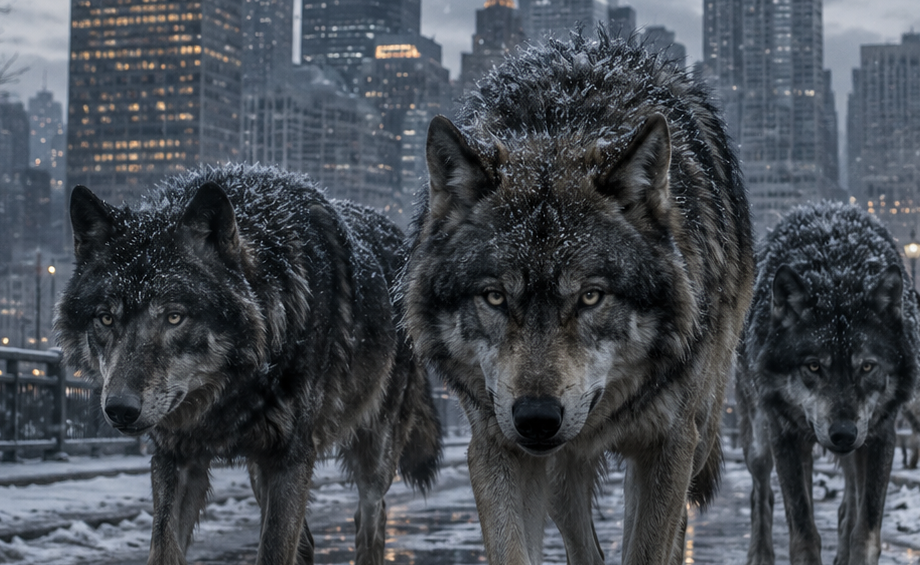
    Good morning! Lonnie says and peeps through the open window to the back garden. The oak tree’s breath, soft and green, blends with birds’ song. The morning zephyr nips her face and strokes her hair.

    A pair of wood warblers circles above the oak. One perches on the fence and calls in vigorous sounds. The second one lights next to it, and a second later they sing in a harmonious duo.

    Lonnie listens and gazes at them hop and gather straws, grass and moss, and disappear among the oak’s branches.

    It’s a lovely morning, isn’t? she says to the open window.

    The oak tree lives in the neighbour’s garden. Since Lonnie has moved here with her family, she has been watching him grow tall, stalwart and proud. He has become the patron of the birds in the village. In spring, if a pair of birds wants to nest and lay eggs, they will come to him. In winter, if they need a shelter, they will come to him.

    This oak tree of yours is the best thing in the village, Lonnie says any time she talks to John.

    They both look up. Lonnie with a mouth open in reverence and John with a chest puffed out. He takes a handkerchief out of his pocket and wipes his eyes.

    Lonnie is tiny lady in her early seventies. She has shrunk and hunched like a dead twig with age. But once she faces the oak through the window, and breathes in the vim and vigour of the morning, her thirst is quenched and appetite is satiated. Lonnie grows younger and is ready for her day.

    Until that one fine day when a harsh and loud noise grates on her ear and drowns the birds chirps. Wher-wher-wher shrills over the village. Lonnie stares through the window. In John’s garden, a man in bright lime jacket and protective helmet holds a circular saw. He pulls the string. The saw coughs and stops. He pulls the string again and it resumes with a fresh power.

    She rushes out in the garden and on seeing her head over the fence, John smiles.

    Beautiful day! Perfect for gardening.

    John, what are you doing!?

    Grown very big and too close to the house. Gonna cut it down.

    Trim him! think of the birds… the pride of your family…you can’t cut him down!

    The roar of the saw hits her in the fore head. Splinters fly over and reach her face. Lonnie tries to protect her eyes with a hand, and chokes in dust and tears.

    Back in her kitchen Lonnie shuts the window. Her heart beats like a bird in a snare. Ripples of pain creep over her and swell to sharp and frantic waves.

    The sound stops. The two men move back and watch the oak fall. John lifts his thumb up, Good work! she reads on his lips.

    The oak heaves, leans and hits the ground. The branches swish and crack. The earth shakes. The sun hides behind dreary clouds and a storm lashes the land. The fallen oak tree’s branches and leaves riot against the storm but eventually give in and drown in mud and dirt.

    Lonnie leans on the window’s frame and gapes ahead. She doesn’t know for how long. A minute or an hour or the whole day. The window distorts the view of the garden, the whole world. No one to gaze at or talk to. No birds to listen to. All she hears is the damn road traffic.

    Lonnie’s mind drifts decades back.

    Mummy, look! Rosie, her daughter, points at a bird. She screams and giggles so loud that the whole flock of birds flee the oak tree in panic.

    Rosie, be quite please! and Lonnie put a hand around her ear like a funnel.

    Bryan whispers, Hush! and put a finger to his lips.

    Where is the bird, Mummy, where? Rosie’s eyes grow wide in wonder. Where? she chirps, and looks up and searches for it. Her eyes jump from the sky to the oak tree to the fence. The birds fly back and hide deep in the oak tree crown and resume their song as if in respond to Rosie’s chirps.

    Seasons and years pass. Rosie has left for her university and Bryan for another woman.

    Lonnie lives in front of the window. Keeps it open all year round. Sun, rain, frost. From the good morning to the good night. From the first sun rays breaking through the oak branches to the last ones setting for the night.

    The first warm rays of the next spring bring the pair of the wood warbles back to the garden. They wander for a few days and fly away. Only if the oak was here! An idea strikes her. How hasn’t she thought about it before, Lonnie thinks.

    What’s this sapling here, never seen such a thing before? Lonnie asks the girl in the garden centre.

    I don’t know but I like it.

    Back home Lonnie chooses the sunniest spot in the garden. She digs a whole and places the sapling in. Every morning she touches its slender stalk and water it.

    Good morning! You’re growing, aren’t you? I know you are.

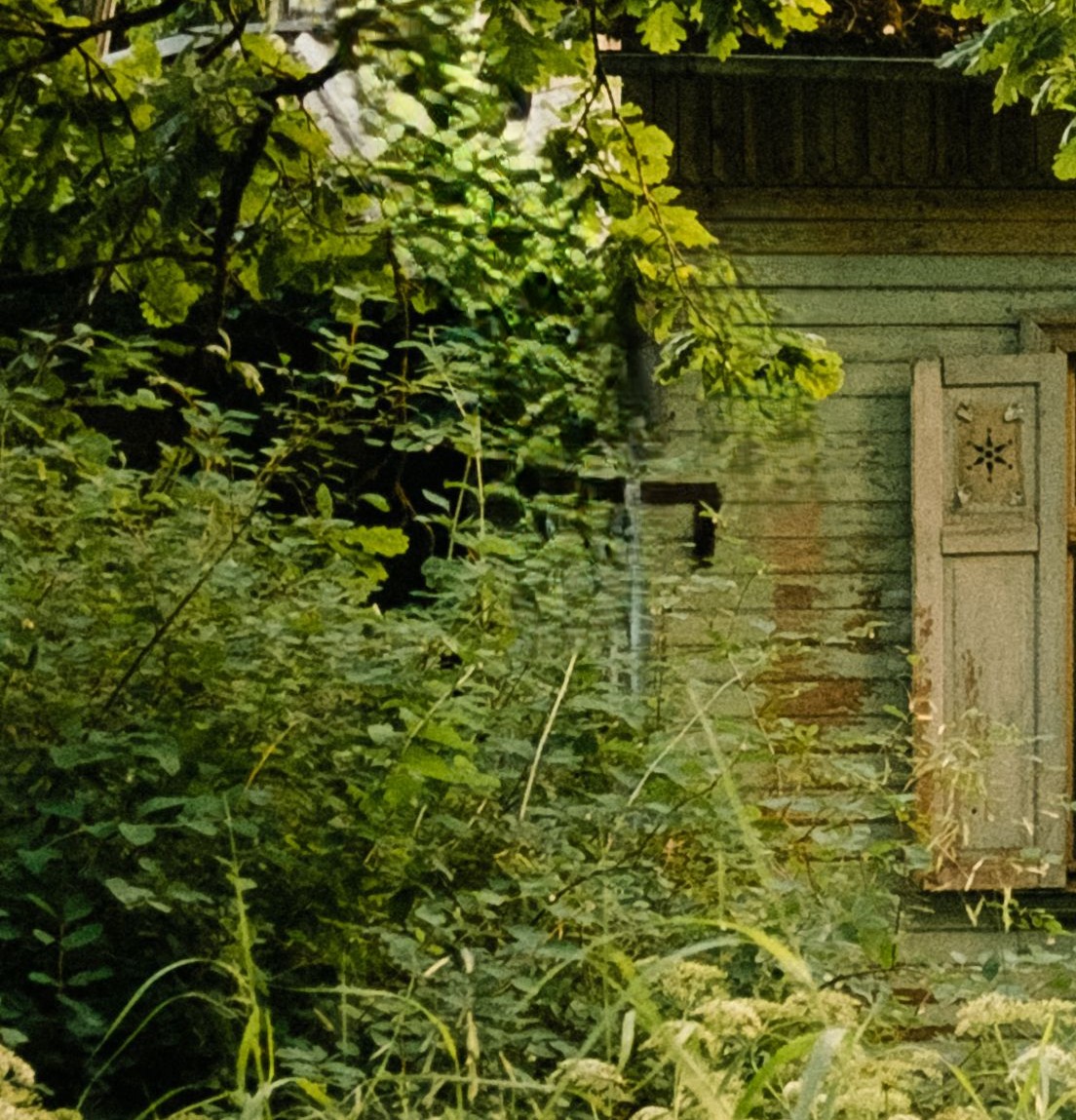
    The branches grow strong and tall, spread over the house roof and arch to the ground. They enter it and become roots and branch up and out again. In a few years the house nestles in a wooden lattice, a dome of verdure and serenity. The roof covers in moss and ivy creeps up the walls.

    John has tried one day to find a way to the front door but turned back. The roots and branches tie and wave in such a thick mass that even the sun cannot penetrate.

    The wood warbles come and find the way and build a nest.

    Good morning! says Lonnie through the open window. Roots and branches and leaves whisper in answer.

    © 2026 Homo Ignoramus. All rights reserved.

  • The Hell Road is Paved with Good Intentions

    The Hell Road is Paved with Good Intentions

    You set off before dawn, in the hour of deep velvet and blue,
    before the sun declares just another day. The childhood house in the midst of oak trees and
    the beauty of April die in smoke and speed.
    The road bends and turns.
    With heavy eyes you drive along the white lines.
    You are not stranger here, on that faraway road.

    The sun goes beyond its zenith and the rays slant in crimson.
    No signs for your destination.
    The tarmac turns to pavers. The road comes to a dead end.
    A gate tall and black, an intricate lattice like a spider web, rises in sight.

    A tall creature in black attire stands behind you and whispers in sickly-sweet voice.
    You can open this gate, you are the Chosen One.

    You stretch a hand but jerk it back in pain. The handle burns your fingers.

    He giggles and opens the gate.

    In the darkest of nights, He came and sat across the table from you on the empty chair. The empty chair you kept for her only.

    He faced you with his all-knowing eye, not bothered with your good intentions. He pointed a bony finger at you and
    spoke in words straight and simple.

    You are the Chosen One, chosen to pave the Road to Hell.

    You lowered your eye and hunched your shoulders.
    It is a mortal sin for a human to pave that road, you said.

    Blend the mixture and mould it, he said,
    smooth the pavers over with your art and skill, and kind word,
    put them down, one next to another, and wash your hands.
    I promise you the road will pave itself.

    He left in an instant, in silence, with a candid smile.

    He struck a memory, a memory you ache to throw away.
    You destined to make her happy. Since childhood, she spent long summers at the house in the midst of with oak trees.
    You gave her a ring. You looked at each other with smitten eyes.
    Till death do us part, so you two pledged.

    Yet, you sold her love and trust. You sold her soul for one cold night.

    You talked. That’s what you made me do, your voice rang in the heat of the moment. You bought roses but they withered in waiting for the perfect moment.

    Now you have that gate to face.
    A long shadow come from behind you.
    With a snap of a finger, He sets the horizon on fire.
    He opens the gate. Welcome to my home, he says, just follow the road and you will reach your destination.

    You walk downwards on the pavers covered in earth and dust and ashes.
    The road you have paved turns coarse and ruthless to your bare feet.

    Tell her that I…please, tell her…
    Smoke sticks to the tongue. The body fights the heat.

    He closes the gate.

    © 2026 Homo Ignoramus. All rights reserved.
  • Fast Fashion – the World Insatiable Appetite

    Fast Fashion – the World Insatiable Appetite


    What is FastFashion?

    Fast fashion is a low-cost and poor-quality imitation of luxury brands and popular designer labels. Fast fashion companies prioritise speed and profit over ethical business practices. The earth can be wrapped in old cloths 9000 times. One next to another, different shapes and colours. We have set a snare for our soul. Plenty of articles are written on the subject. Yet, we are too slow on changing our mindset and taking actions. And I can’t resist on saying it again.


    How did Fast Fashion start?

    Fast fashion started with the Industrial Revolution. Then we had the standard sizes of S – M – L, and the department store. The ultimate incentive, however, is the shift from natural to synthetic fabrics. That cut the price of the final product in half.

    The modern business model has developed in the late 20th century, when some companies have taken the production to the developing countries. Why? For the cheap labour and higher profits.

    In the traditional fashion industry, the brands had offered four collections per year, one for each season. They had to guess the trends and demands months before the collection release. Fast fashion offers up to nine times more. And now, with the online reviews and social media, the customer demands are followed and met in matter of two weeks. The manufactures produce bulk of cloths at the most competitive price in line with the latest fashion trends. In other words, a flimsy and naff throwaway. This is the latest trend in ultrafast fashion.


    Who is who in the supply and demand chain?

    This is the most simplistic definition. Logistics is not our point.

    Workers, usually women and often children, work overtime to meet the deadlines and receive wages often below the standard minimum. They glue to a sewing machine for ten to twelve hours, in rooms, big as hangars, without windows or proper air conditions. Manufacturers compromise on the health and safety regulations and building requirements.

    I have never read an article on fast fashion without mentioning Rana Plaza in Bangladesh. On the 24th of April 2013 a commercial building with five clothing factories collapses and kills 1134 people, and injuring 2500. Those people went to work and never came back to their families.

    So, what makes us, the consumers, to buy those naff throwaways? The human mind is a malleable thing. We follow adverts, influencers, fashion models. With a click of the finger, we could have that special deal or bargain a copy of that special chic designer jacket/dress/outfit. Maybe we do not need it. But we have heard some socialite or influencer boast and brag on their social media profile that this is their one and done thing.

    Do we really feel happier of the illusion of high couture? Maybe, for a few hours. Do we believe we look better by copying someone’s style? What do we care how someone looks or dress or thinks?

    We only encourage the manufacturers who prioritise speed and profit over the business ethics of accountability and transparency, over the fair treatment of employees, over the positive impact on the environment. A T-shirt with £5 price tag cannot maintain an economic, environmental and social sustainability.

    The waste pickers are the people who deal with the textile waste. They work in piles of our discarded cloths, breathe in chemical (some of them toxic) decolourants and dust from the textile shredders. Again, overworked and underpaid. Is it work we want to do?

    What is the hidden price?

    The process of growing the cotton plant, dyeing the textile, and recycling it consumes water that a human can drink for about two years. The garments made of synthetics can’t biodegrade or decay as the organic matter do. The synthetic fibre production starts from refined petroleum and natural gas to petrochemicals to polyester and nylon and etc. They fragment and release methane gas and toxic chemicals and microplastics. Needless to say, those end up in the land that grow our bread, in the water that we drink, in the air that we breathe.

    The world is very generous in waste production. We throw away between 90 and 120 tonnes of old cloths each year. 87% of all that ends in landfills, often in the developing countries. Only 1% of it is recycled globally. The fast fashion production, and the waste from it, has doubled since the turn of the century. What do we think is the prognosis for the next 25 years? Double again, triple?


    What are the counterarguments?

    Inevitably, each argument has a counterargument. Here, the strongest one is that the fast fashion gives many people a living. This is true. Yet, with the prognosis in mind, more factories should concentrate on recycle and reuse of the discarded textile. Maybe, it is easier said than done. The process still needs water, energy and labour. But the piles of discarded cloths on land and in rivers are neither views to enjoy, nor a legacy to leave to our future generations.

    Second, fast fashion advertises its affordable prices and democratic role in fashion styles and trends. Looks like win-win game. In reality, it promotes overconsumption and throwaway culture with minimal regard for natural consequences and business ethics.

    What are the solutions?

    We need big and fast changes of practices and mindset on all levels. To start with, the national and international bodies must impose stricter regulations on vague advertising, human rights, waste management.

    On personal level we can try the capsule wardrobe or be our own influencers. If we really want to play the part of a millionaire, we could host a soiree and donate the cash. Let’s hope they will use it wisely on the waste management.


    Fast Fashion proves to be a bottomless pit for human and natural resources. It drives up the societal and personal irresponsibility and overconsumption. A business model advertised as affordable and democratic, it comes at an enormous long-term cost. Let us finish with the old adage. If there is a will, there is a way.

    © 2026 Homo Ignoramus. All rights reserved.
  • A Bright Home to Belong to

    A Bright Home to Belong to

    The sailors toss the lines to the handlers to dock the ship. A string of men, women and children grip the manropes and straggle down the ladder. Guarded and shackled, they are led to the market less than a mile from the dock.

    The guards prod and poke the men in one line, women and young children in another.

    The buyers come in. With sharp eyes they look for the best deal. They are numb to the smell of sweat and coagulated blood, deaf to the groans and cries, inured to tears or hateful glances.

    A tall man in a canvas overall and mud-crusted boots looks at Sandy and his mother. I want the boy, he says pointing at Sandy with his whip.

    The farm house is fenced with wooden rails and surrounded by an orchard of apples and walnuts trees. The pride of the farm is the hickory tree a hundred feet tall, planted by the first settlers, or so the story goes. Behind the house, almost hidden by sight are the stables and slaves’ quarters. The cotton plantation stretches as far as one can see.

    Before dawn Sandy gets up and picks up the cotton, and his small black hands look smaller and blacker against the white endless fields. With low and gentle voice, he croons and hums and warbles.

    Stop it, boy, faster! Master yells. The leather whip hisses through the air and cuts Sandy’s back. Blood soaks his shirt. He stumbles forward but does not fall.

    That little sambo…he’s annoying, he doesn’t shut up, says Mater at the dinner table.

    Because he doesn’t want to think or remember, says Mistress and looks at their son with soft eyes.

    The sun is setting in cold indigo and crimson, as if tired of the human world. A deep angelic voice echoes over the plantation and reaches the horizon. It is a dirge and elegy and prayer. They all, masters and slaves, listen.

    Sandy sings about his country where he was born. The warm beach, with turquoise water and coconut palms and fine sand, stretches miles and miles to infinity. The wooden family house nestles just a mile inland.

    The big ship blackens the rising sun. The men come in boats rowing hard. Rough faces and cloths, most of them armed. The village turns to a ghost place with all the people taken to the ship and across the Atlantic Ocean.

    Sandy has never known about such a place where people are traded, like bananas or cattle or carts. He clasps at Mother’s hand. They have pulled all men to a separate line. Sandy does not know it is the last time he sees his father. Never seen before father’s eyes in tears.

    A man in an overall and mudded boots points at Sandy with his whip says, I want only the boy, no, not the woman.

    The haggle is long and loud but he pays the price. He’s young, check his teeth, says the slave trader.

    Sandy does not know it is the last time he sees his mother. Stretching her hands to him and crying his name.

    It is a hot day of August, at the peak of the harvest. Sandy does not come to the fields. All men and hounds summon and hunt for hours.

    Some people remember seeing Sandy walks through the fields, and croons, hums, warbles. The cotton bushes open and make a path for him.

    Others swear that they have seen him on the hickory tree top. Stands there on tiptoe and stretches arms like bird’s wings. Flies up and up and takes the path lit by the setting sun. So bright is the path that they have to squint and shelter their eyes. The sun opens his rays like arms and embrace him.

    © 2026 Homo Ignoramus. All Rights Reserved

  • Barcarolle. The Old Gondolier’s Song.

    Barcarolle. The Old Gondolier’s Song.

    At twilight the old gondolier sings goodbye.
    His voice breaks. The day yields to night.
    He wishes upon a shooting star in the sky.

    His gondola sways asleep. He looks up and asks why
    the shooting star fades in its flight.
    He gasps and falters and he sings goodbye.

    That fading star he asks, is it a reply?
    He can’t fight the Eternal Might
    and this enigma of a star fades in the sky.

    The accordion stops. Another day goes by.
    To the loss of this fleeting light
    the old gondolier sings goodbye.

    Hot little tears smart his eye.
    Looking high, where is his star? Wasn’t it bright?
    The star has faded in the sky.

    Children stop to wave bye-bye.
    He waves back, You o’right?
    The old gondolier sings goodbye.
    His star has faded in the sky.

  • A Poppy in the Fields. An Answer to John McCrae.

    A Poppy in the Fields. An Answer to John McCrae.


    The dawn breaks the horizon in soft lavender and orange, and the morning breeze skim over the fields. The wheat heads whisper and rasp when touch each other. Where the fields meet the sky, a bead shines. A bubble of spring, a small but mighty bead of scarlet it is, and defies them all – land and sun and rain.

    You know from your father and grandfather that it is a weed. You have to pluck it out for it will spread and kill your crops.

    In the morning, with a bundle of bread and water, you start your journey. You tread through the fields without a path to follow but the glow of that scarlet bead.

    You know the language of the nature. You know when the wind will whisper or wuther, and the rain will drizzle or downpour, and the sun will warm or scorch the fields. For all, land and nature and you, have been created by the same gods.

    The clouds charge with dark energy and a lightening halves the sky and a thunder cracks over the land and the hell opens up. Rain and wind blur the horizon and you lose the sight of the bead. Yet you put the hood on and plant your foot and go step by step.

    The storm goes away and a rainbow smiles ahead.

    A grasshopper rests on a stalk of wheat and waits for the sun warmth. It rubs its hind legs against the wings and hops ahead. And it makes another hop and another to mark your way. Its coarse yet muffled call carries over the wheat fields.

    At twilight you reach the bead. You bend and stretch a hand to pluck it out. But you can’t.

    A poppy she is. Her little torch glows in the darkened day. A delicate flower, a sweet fragrance, a majestic apparition. The scarlet petals melt to carmine with a black heart in the centre.

    One petal has fallen on the land, beaten and buried beneath. Yet, she stands, taken the watch over the peace in the fields. Bright, graceful, steadfast. She has chosen this place to grow. A seed taken by winds and birds, and cared for by land and rain.

    A piece of memory of your ancestors. A drop of blood of the fallen soldiers. For you have forgotten to hold the torch high.

    You kneel down and lift the fallen petal. In an instant, another poppy grows and opens next to her and another. A string of scarlet and carmine black beads mark a path to the quiet place where the soldiers’ crosses abide.

    One of these crosses marks your father’s grave. He went to fight a war that he did not start, nor did he understand. He came back only to be laid here to peace.

    The same will happen to you but you do not know it yet. For The Great War will trigger a greater war, with weapons more sophisticated, and the art of killing the fellow human mastered.

    © 2026 Homo Ignoramus. All rights reserved

  • Can You Spare Some Time, Please?

    Can You Spare Some Time, Please?

    A train whistles and two amber lights, like eyes of a serpent, penetrate the morning fog of April. Business people in suits and briefcases line diligently along the yellow line. A throng of families with children in prams and enormous travel bags straggles out on the platform.

    Mazie sits on a wobbly table and watches the crowd. In her early twenties, she wonders what make people rush. Her backpack, a chaos organised for travelling in her gap year, is behind her in the corner. A bracelet with flag charms jingles on her wrist, a surprise from her mother. Don’t forget where you’re going, Mazie! she joked.

    The train leaves in fifteen minutes. Enough time for coffee, Mazie decides and drags her backpack to the coffee shop.

    I can’t find the demerara sugar, it’s my first day, the girl behind the counter murmurs.

    OK, don’t worry, I’ll have some milk.

    The crackly voice of the customer information system announces the final call for her train. Mazie runs outside pulling the backpack and bumps into a woman who shouts Love-you! at someone on the train. The locomotive huffs and puffs, the train wheels gather speed and the whole string of carriages and waving people diminishes to a black dot in the distance.

    On the bright side, Mazie thinks, she has time to order a breakfast and take her time with the coffee. Back in the coffee shop, the girl has found the demerara sugar and pours milk in the coffee mug, oblivious of the missing client.

    Sit down, she says to Mazie, I’ll bring it over to you. And back to the wobbly table in the corner, Mazie has breakfast and stares at the tracks converge far ahead.

    The next train is to be late for some technical glitch and is expected just after midnight. Mazie rests her head on the backpack and sleeps through the night.

    I’m hungry, Mazie says to the girl, but I don’t have any money. Can I help in the shop?

    Mazie has breakfast and Judy, the girl behind the counter, teaches her how to make espresso and latte and cappuccino.

    The renovated waiting room shines in glass and steel. The passengers now wait behind soundproof glass walls. The train comes but it cannot be heard or smelled which for a while shattered the harmony in the waiting room. The seats are coated in an anthracite-coloured synthetic material, cold to the touch and ugly to the eye. But supplied with USB ports. The antique standing watch, the management said, jars with the new soul of the station. Now a huge electronic screen thrums on the wall and chimes with every update of the arriving and departing trains.

    After a long working day, Mazie retires to the corner. Her sister has left a voice message.

    You have to come to my wedding, Mazie! It’s a long journey, but I’m organising it nearly a year!

    Mazie borrows a dress from Judy. You look fabulous, she says.

    For the next three months Mazie’s journey to London is the staff talk. Have you been there before? How long it takes by train? Do you want to see the Big Ben?

    On the day of her journey, Mazie takes orders and chats with the customers and clears up the used plates and mugs. She can her mother’s voice, Look now, think about your future, you are mid-thirties…

    Mazie, hurry up, you have to go, Judy looks at her wrist watch.

    Now I’m thinking, it’s a ve-e-ry long journey, and expensive too. I’d rather save my money to travel the world.

    And here comes the niece’s wedding day. Sister leaves a voice message. Maize, Mum is nearly 80, and she is coming.

    A man walks to the Mazie’s wobbly table in the corner. A man she has not seen before. He looks at her.

    Can you spare some change, please? All the hunger and thirst in the world are in his eyes. His coat is threadbare and the shoes are worn without laces.

    Do you want a cup of tea? Mazie reaches for her backpack, takes few coins out of her purse and put them on the table.

    Tea… he nods. Back to the table with his tea and a cheese sandwich, she sits across from him.

    No, you shouldn’t… but he takes the sandwich with a shaky hand and bites a large piece. Once on full stomach, he looks around.

    Nice waiting room you having here, he says.

    Brand new but I’m leaving. From here, hop on the train to London for my niece wedding.

    Yeh? London? That’s a dream of mine but… he shakes his head.

    Mazie’s eyes well and she opens her purse again. She takes the ticket out. Here, she says, you can go to London.

    The locomotive on the platform is stuck in deep snow. A long night it has been in the coffee shop with passengers waiting, eating and drinking.

    A man walks to the wobbly table in the corner.

    Hello! Mazie says to him as to an old friend. She has no idea how many years have passed but remembers his eyes.

    Sit down, I’ll make you a cup of tea and a sandwich.

    Can you spare some time, please?

    The eyelids close and tears run down, tears of white viscous resin. The hands, thin like skeleton’s, cover the face. The white resin oozes through the fingers. Two empty sockets gape in place of the eyes. The sleeves and trousers void of flesh. The shoulders diminish to the size of a hanger on which the cloths shake like empty bags blown by the wind.

    And it all piles down before Mazie’s feet.

    © 2026 Homo Ignoramus. All rights reserved.
  • A Reflection on the Colours of Life and Time

    A Reflection on the Colours of Life and Time

    What are the colours of time?

    The winter blanket on the rooftops and roads. Dazzling, brittle, raw. The crunch of your footprints in the driven snow.

    The spring morning with cherry blossoms and the rose bush breaking through the holly hedge and the four-leaf clovers in your lawn before you mow it.

    The summer sun, happy and vivid, the horizon over a sheen of turquoise and sand on your toes and salt in the air.

    The final whisper of autumn leaves in a dead pile and children running through and a mug of hot chocolate in the shorter evenings.

    And that short cycle closes and another starts.

    What are the colours of life?

    From the chubby-faced cherub to the hollowed cheeks and the blue innocence to grey apathy in the eyes. Your routine from harmony to monotony. From the chase for the treasure under the rainbow to the snore in front of the tv.

    The plans and hopes and dreams for the holiday of your life, travel the world one day, why not? Now or never, and forgotten.

    The true colours of the friend turned foe, and the soul tossed between the light and dark in your being.

    The clods of earth, black and bare, for you to rest. Your last journey from the light in this world to the bleak in the next.

    What is the colour of love?

    That brilliant yet illusory thing comes with the honey in the hair and the warmth in the eyes and goes, sometimes, through thick and thin of life. With bright peals of laughter and strolls on a moon-lit path and gazes at silver stars. From the passion at night to the power struggle where to go on holiday and what pet to have. The green-eyed monster of jealousy may come. Wounded and tearful, you can’t gaslight them but text them good bye.

    What are the colours of our world?

    The colours of oil thicker than blood, of napalm, of winners and losers. And the forgotten white dove with the olive branch.

    The mastermind in ars politica, the pledge and promises in the election campaign from blue to red to green. The colours of the truth, the lie, the silence.

    The true colours of the better half of the world.

    From ancient patricians to modern oligarchs the colour of money rules, ‘Let’s see it!’ behind the scenes. Insider trading between you and me. And the silver spoon and red carpet and black credit card.

    The colour of poverty from the plebeians to the Atlantic Slave Trade to the test of the brown paper bag to modern slavery.

    What are the colours of eternity?

    The Tree of Life. The baobab or the ghaf tree or the sycamore that feed and water and shelter living things for years and centuries, long before and after you.

    The Books. Avesta, Bible, Quran, Tanakh, Vedas. The keepers of God’s word and will and testament. The singularity of humankind that human try to divide and claim possession over.

    For what is Sun to the earth, that is God to the soul.

    From the ancient shrine and altar to the house of worship built of wood or stone, built not to weather but to last. A testimony for peace and harmony, whatever the symbol is: a crescent, a cross, a star. It is a haven to the soul.

    From the Seven Wonders of the World to Familia Sagrada. From Gilgamesh who fights the bull of heaven in search of immortality to Falstaff who fakes his death. From Phoenix who endures on warmth and morning dew to The Raven, black and stately, and nothing more.

    The Sun. The eye of heaven when crosses paths with the Moon and dies in a ring of fire and comes to life again.

    The Milky Way or Backbone of Night that runs across the heavens, the cosmic pinwheel that spins suns and stars. The space and time that boggles the mind.

    Afterthought. What about your immortality?

    AI can create a digital avatar. Reshape your face, past and future, why not? You choose the platform and colours and the rest is history.

    © 2026 Homo Ignoramus. All rights reserved