Blog

  • Fast Fashion – the World Insatiable Appetite

    Fast Fashion – the World Insatiable Appetite


    What is FastFashion?

    Fast fashion is a cheap and poor-quality imitation of luxury brands. The companies prioritise speed and profit over ethical business practices. The earth can be wrapped in old cloths 9000 times. We have set a snare on nature and the planet, and for that matter on our future generations.

    Plenty of articles are written on the subject. Yet, we are too slow on changing our mindset and taking actions. And I can’t resist on saying it again.


    How did Fast Fashion start?

    It started with the Industrial Revolution. Then we had the standard sizes of S – M – L, and the department store. The ultimate incentive, however, is the shift from natural to synthetic fabrics. That cut the price of the final product in half.

    The modern business model has developed in the late 20th century, when some companies have taken the production to the developing countries. Why? For the cheap labour and higher profits.

    In the traditional fashion industry, the brands had offered four collections per year, one for each season. They had to guess the trends and demands months before the collection release.

    Fast fashion offers up to nine times more. And now, with the online reviews and social media, the customer demands are followed and met in matter of two weeks. The manufactures produce bulk of cloths at the most competitive price in line with the latest fashion trends. In other words, a flimsy and naff throwaway. And here we have ultrafast fashion, the magnum opus and pinnacle in its development.


    Who is who in the supply and demand chain?

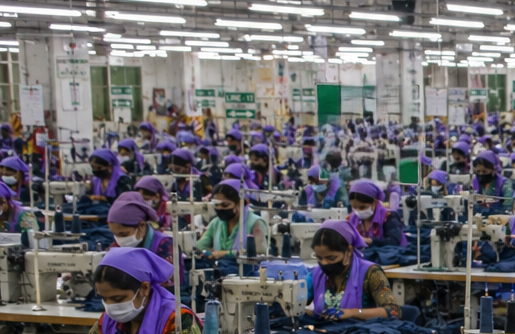
    This is the most simplistic definition. Workers, usually women and often children, work overtime to meet the deadlines and receive wages often below the standard minimum. They glue to a sewing machine for ten to twelve hours, in rooms, big as hangars, without windows or proper air conditions. Manufacturers compromise on the health and safety regulations and building requirements.

    I have never read an article on fast fashion without mentioning Rana Plaza in Bangladesh. On the 24th of April 2013 a commercial building with five clothing factories collapses and kills 1134 people, and injuring 2500. Those people went to work and never came back to their families.

    So, what makes us, the consumers, to buy those naff throwaways? The human mind is a malleable thing. We follow adverts, influencers, fashion models. With a click of the finger, we can have that designer’s copy. Maybe we do not need it. But we have heard some socialite or influencer boast and brag on their social media profile that this is their one and done thing.

    Do we really feel happier of the illusion of high couture? Maybe, for a few hours. Do we believe we look better by copying someone’s style? What do we care how someone looks or dress or thinks?

    We only encourage the manufacturers who prioritise speed and profit over accountability and transparency, over the fair treatment of employees, over the positive impact on the environment. A T-shirt with £5 price tag cannot maintain an economic, environmental and social sustainability.

    The waste pickers are the people who deal with the textile waste. They work in piles of our discarded cloths, breathe in toxic chemical and decolourants, and dust from the textile shredders. Is it work we want to do?

    What is the hidden price?

    The process of growing the cotton plant, dyeing the textile, and recycling it consumes water that a human can drink for about two years. The garments made of synthetics can’t biodegrade or decay as the organic matter do. The synthetic fibre production starts from refined petroleum and natural gas to petrochemicals to polyester and nylon. They fragment and release methane gas and toxic chemicals and microplastics. Needless to say, those end up in the land that grow our bread, in the water that we drink, in the air that we breathe.

    The world is very generous in waste production. We throw away between 90 and 120 tonnes of old cloths each year. 87% of all that ends in landfills, often in the developing countries. Only 1% of it is recycled globally. The fast fashion production, and the waste from it, has doubled since the turn of the century. What do we think is the prognosis for the next 25 years? Double again, triple?


    What are the counterarguments?

    Inevitably, each argument has a counterargument. Here, the strongest one is that the fast fashion gives many people a living. This is true. Yet, more factories should concentrate on recycle and reuse of the discarded textile. Maybe, it is easier said than done. The process still needs water, energy and labour. But the piles of discarded cloths on land and in rivers are neither views to enjoy, nor a legacy to leave to our future generations.

    Second, fast fashion advertises its affordable prices and democratic role in fashion styles and trends. Looks like win-win game. In reality, it promotes overconsumption and throwaway culture with minimal regard for natural consequences and business ethics.

    What are the solutions?

    We need big and fast changes of practices and mindset on all levels. To start with, the national and international bodies must impose stricter regulations on vague advertising, employees’ rights, and recycle policy.

    On personal level we can try the capsule wardrobe or be our own influencers. If we really want to play the part of a millionaire, we could host a soiree and donate the cash to the establishment. Let’s hope they will use it wisely on the waste management.


    Fast Fashion proves to be a bottomless pit for human and natural resources. It drives up the societal and personal irresponsibility and overconsumption. A business model advertised as affordable and democratic, it comes at an enormous long-term cost. Let us finish with the old adage. If there is a will, there is a way.

    © 2026 Homo Ignoramus. All rights reserved.

    if you are more interested in waste management on our planet please read The Great Pacific Garbage Patch
  • A Bright Home to Belong to

    A Bright Home to Belong to

    The sailors toss the lines to the handlers to dock the ship. A string of men, women and children grip the manropes and straggle down the ladder. Guarded and shackled, they are led to the market less than a mile from the dock.

    The guards prod and poke the men in one line, women and young children in another.

    The buyers come in. With sharp eyes they look for the best deal. They are numb to the smell of sweat and coagulated blood, deaf to the groans and cries, inured to tears or hateful glances.

    A tall man in a canvas overall and mud-crusted boots looks at Sandy and his mother. I want the boy, he says pointing at Sandy with his whip.

    The farm house is fenced with wooden rails and surrounded by an orchard of apples and walnuts trees. The pride of the farm is the hickory tree a hundred feet tall, planted by the first settlers, or so the story goes. Behind the house, almost hidden by sight are the stables and slaves’ quarters. The cotton plantation stretches as far as one can see.

    Before dawn Sandy gets up and picks up the cotton, and his small black hands look smaller and blacker against the white endless fields. With low and gentle voice, he croons and hums and warbles.

    Stop it, boy, faster! Master yells. The leather whip hisses through the air and cuts Sandy’s back. Blood soaks his shirt. He stumbles forward but does not fall.

    That little sambo…he’s annoying, he doesn’t shut up, says Mater at the dinner table.

    Because he doesn’t want to think or remember, says Mistress and looks at their son with soft eyes.

    The sun is setting in cold indigo and crimson, as if tired of the human world. A deep angelic voice echoes over the plantation and reaches the horizon. It is a dirge and elegy and prayer. They all, masters and slaves, listen.

    Sandy sings about his country where he was born. The warm beach, with turquoise water and coconut palms and fine sand, stretches miles and miles to infinity. The wooden family house nestles just a mile inland.

    The big ship blackens the rising sun. The men come in boats rowing hard. Rough faces and cloths, most of them armed. The village turns to a ghost place with all the people taken to the ship and across the Atlantic Ocean.

    Sandy has never known about such a place where people are traded, like bananas or cattle or carts. He clasps at Mother’s hand. They have pulled all men to a separate line. Sandy does not know it is the last time he sees his father. Never seen before father’s eyes in tears.

    A man in an overall and mudded boots points at Sandy with his whip says, I want only the boy, no, not the woman.

    The haggle is long and loud but he pays the price. He’s young, check his teeth, says the slave trader.

    Sandy does not know it is the last time he sees his mother. Stretching her hands to him and crying his name.

    It is a hot day of August, at the peak of the harvest. Sandy does not come to the fields. All men and hounds summon and hunt for hours.

    Some people remember seeing Sandy walks through the fields, and croons, hums, warbles. The cotton bushes open and make a path for him.

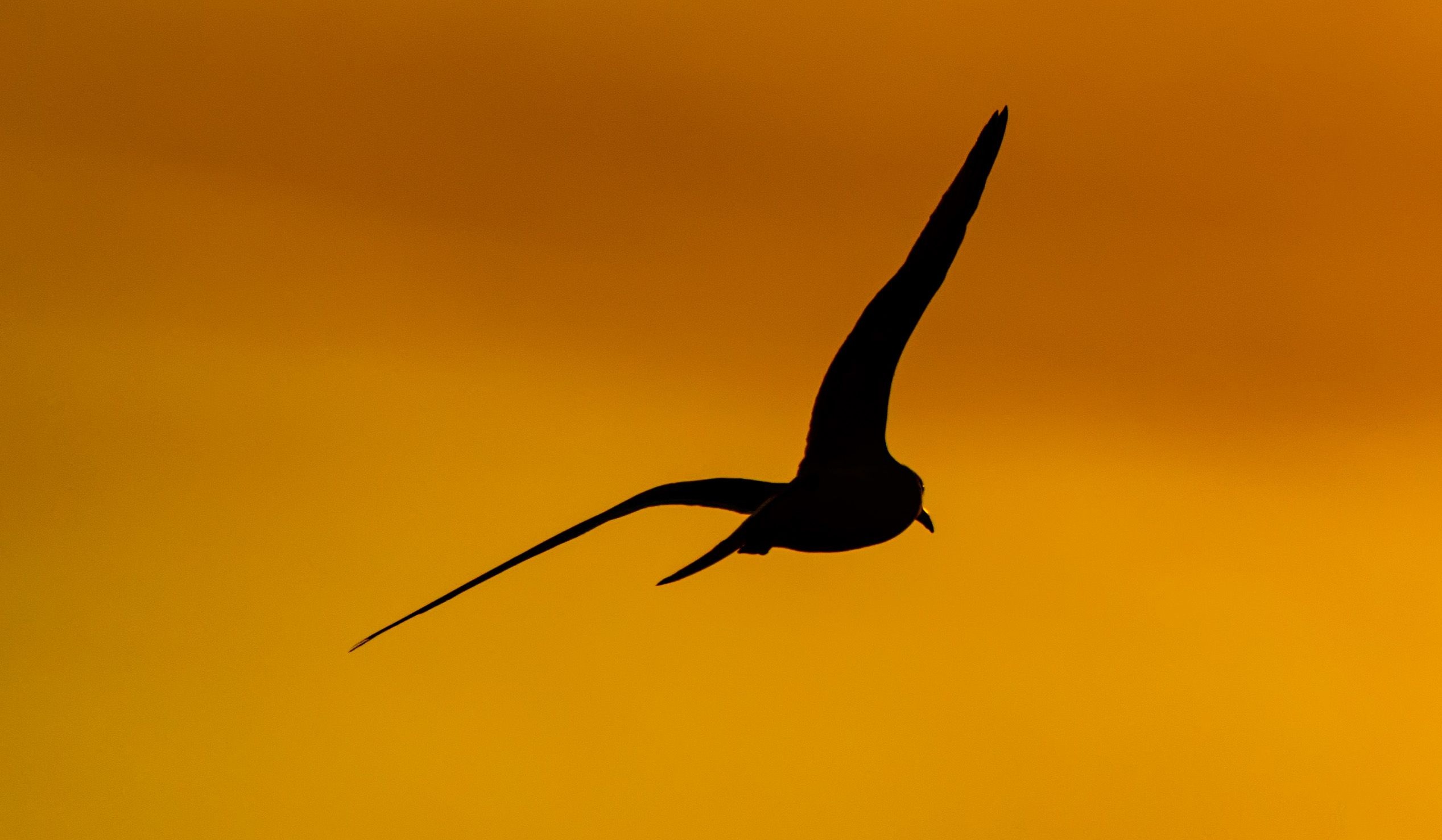
    Others swear that they have seen him on the hickory tree top. Stands there on tiptoe and stretches arms like bird’s wings. Flies up and up and takes the path lit by the setting sun. So bright is the path that they have to squint and shelter their eyes. The sun opens his rays like arms and embrace him.

    © 2026 Homo Ignoramus. All Rights Reserved

  • Barcarolle. The Old Gondolier’s Song.

    Barcarolle. The Old Gondolier’s Song.

    At twilight the old gondolier sings goodbye.
    His voice breaks. The day yields to night.
    He wishes upon a shooting star in the sky.

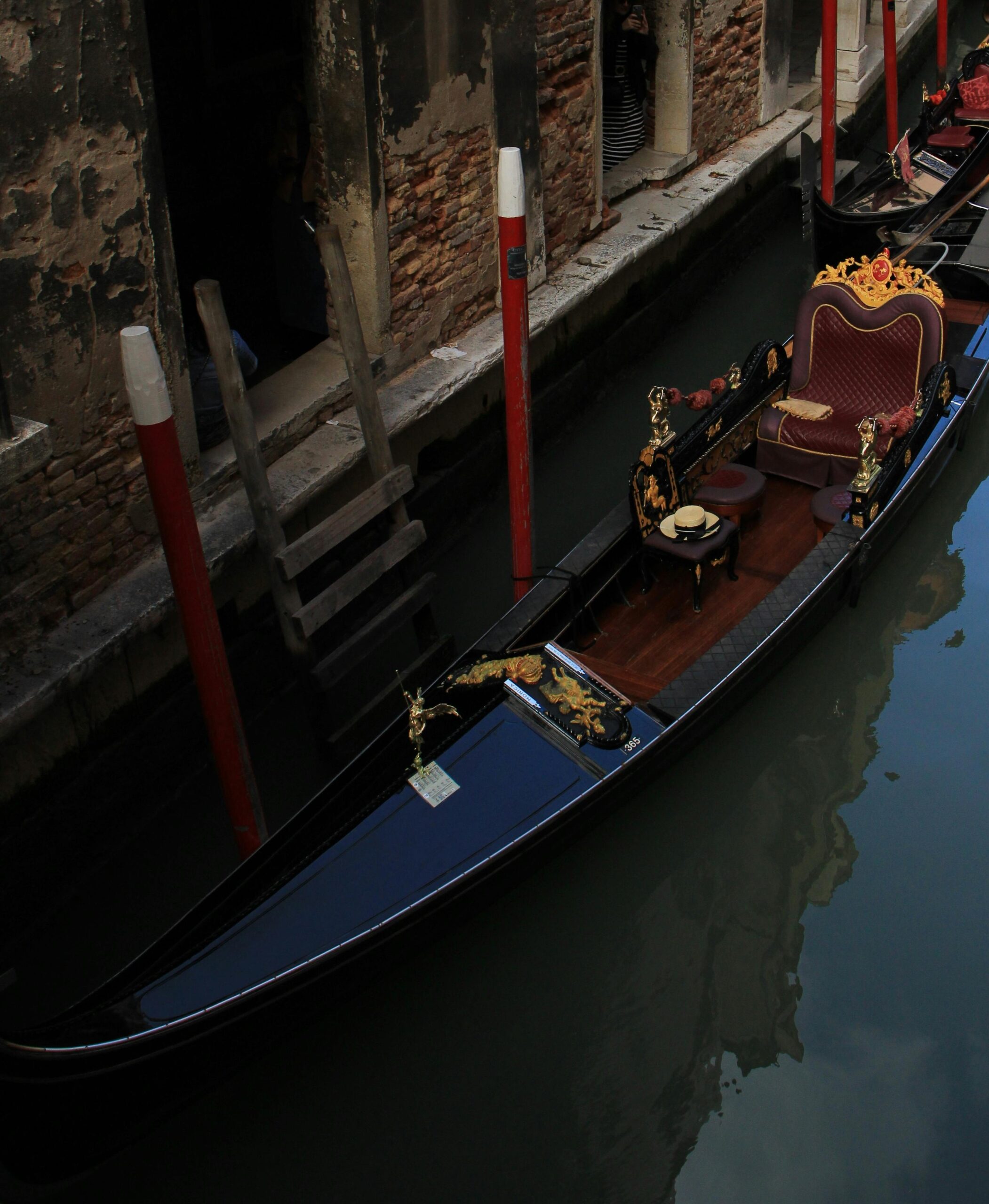
    His gondola sways asleep. He looks up and asks why
    the shooting star fades in its flight.
    He gasps and falters and he sings goodbye.

    That fading star he asks, is it a reply?
    He can’t fight the Eternal Might
    and this enigma of a star fades in the sky.

    The accordion stops. Another day goes by.
    To the loss of this fleeting light
    the old gondolier sings goodbye.

    Hot little tears smart his eye.
    Looking high, where is his star? Wasn’t it bright?
    The star has faded in the sky.

    Children stop to wave bye-bye.
    He waves back, You o’right?
    The old gondolier sings goodbye.
    His star has faded in the sky.

  • A Poppy in the Fields. An Answer to John McCrae.

    A Poppy in the Fields. An Answer to John McCrae.

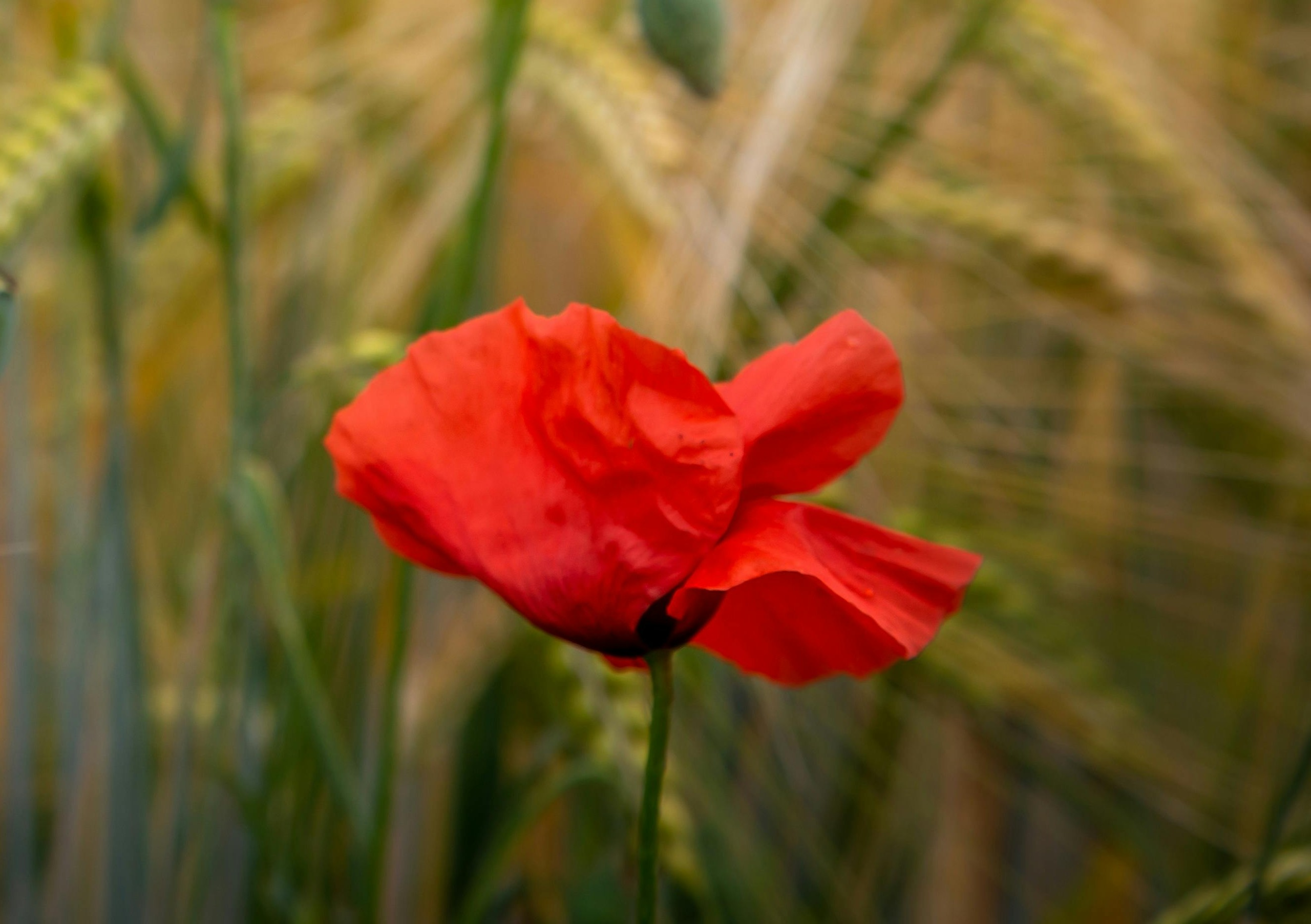
    A bead shines on the horizon where the dawn breaks the skies. A bubble of spring, a small but mighty bead of scarlet, it defies them all – land and sun and rain.

    A weed it is, you know it from your father and grandfather. You have to pluck it out for it will spread and kill your crops.

    With a bundle of bread and water, you start your journey. Breeze skims over the fields. The wheat heads whisper and rasp at your touch. You tread through the fields without a path to follow but the glow of that scarlet bead.

    You know the language of the nature. You know when the wind will whisper or wuther, and the rain will drizzle or downpour, and the sun will warm or scorch the fields. For all, land and nature and you, have been created by the same gods.

    The clouds charge with energy and a lightening halves the sky and a thunder cracks over the land. The hell opens up. Rain and wind blur the horizon and you lose the sight of the bead. Yet you put the hood on and plant your foot and go step by step.

    The storm goes away and a rainbow smiles ahead.

    A grasshopper rests on a stalk of wheat and waits for the sun warmth. It rubs its hind legs against the wings and hops ahead. And it makes another hop and another to mark your way. Its coarse yet muffled call carries over the wheat fields.

    At twilight you reach the bead. You bend and stretch a hand to pluck it out. But you can’t.

    A poppy she is. Her little torch glows in the darkened day. A delicate flower, a sweet fragrance, a majestic apparition. The scarlet petals melt to carmine with a black heart in the centre.

    One petal has fallen on the land, beaten and buried beneath. Yet, she stands, taken the watch over the peace in the fields. Bright, graceful, steadfast. She has chosen this place to grow. A seed taken by winds and birds, and cared for by land and rain.

    A piece of memory of your ancestors. A drop of blood of the fallen soldiers. For you have forgotten to hold the torch high.

    You kneel down and lift the fallen petal. In an instant, another poppy grows and opens next to her, and another. A string of scarlet and carmine mark a path to the quiet place where the soldiers’ crosses abide.

    One of these crosses marks your father’s grave. He went to fight a war that he did not start, nor did he understand. He came back only to be laid here to peace.

    The same will happen to you but you do not know it yet. For The Great War will trigger a greater war, with weapons more sophisticated, and the art of killing the fellow human mastered.

    © 2026 Homo Ignoramus. All rights reserved

  • Can You Spare Some Time, Please?

    Can You Spare Some Time, Please?

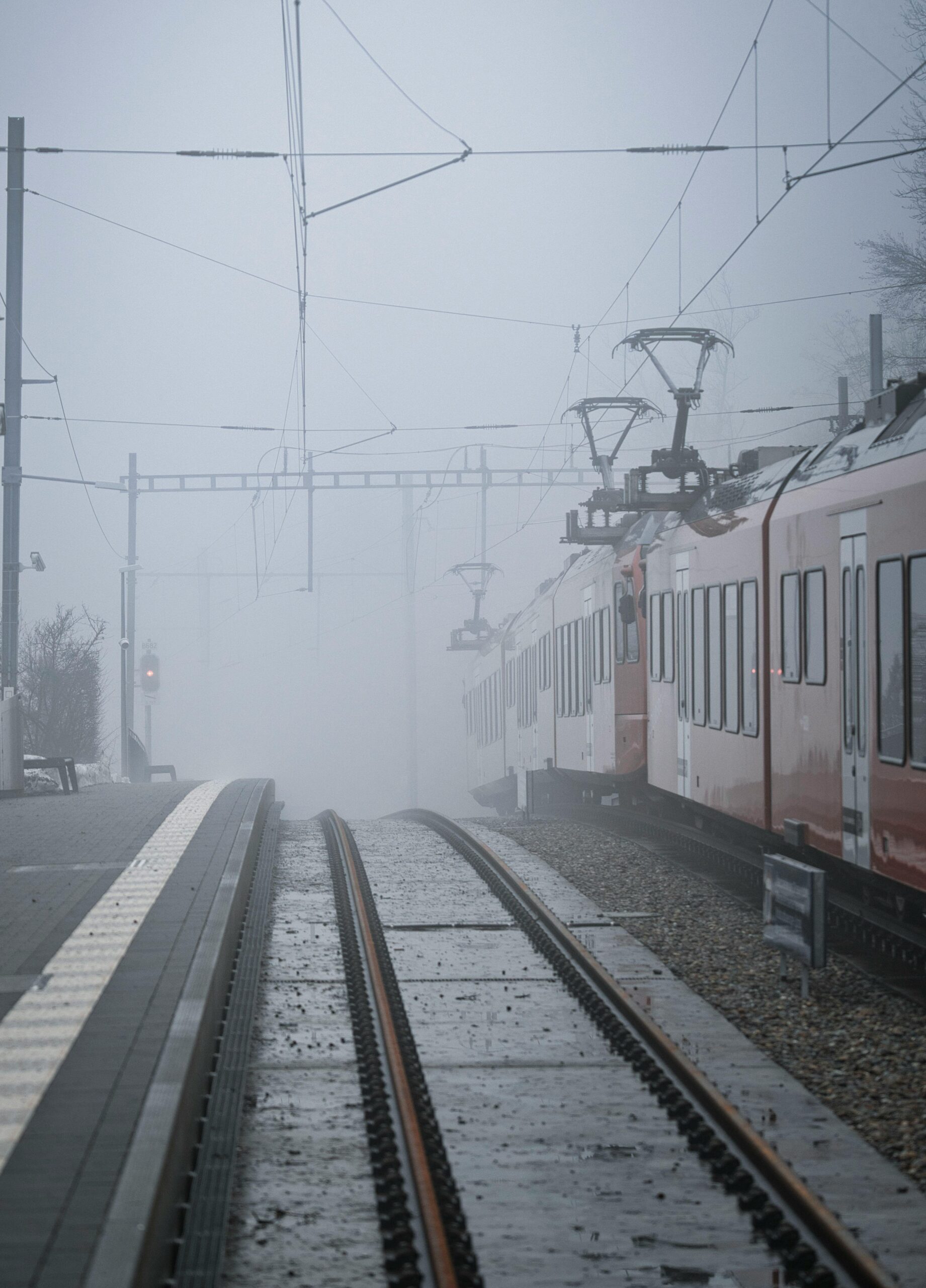
    A train whistles and two amber lights, like eyes of a serpent, penetrate the morning fog of April. Business people in suits and briefcases line diligently along the yellow line. A throng of families with children in prams and enormous travel bags straggles out on the platform.

    Mazie sits on a wobbly table and watches the crowd. In her early twenties, she wonders what make people rush. Her backpack, a chaos organised for travelling in her gap year, is behind her in the corner. A bracelet with flag charms jingles on her wrist, a surprise from her mother. Don’t forget where you’re going, Mazie! she joked.

    The train leaves in fifteen minutes. Enough time for coffee, Mazie decides and drags her backpack to the coffee shop.

    I can’t find the demerara sugar, it’s my first day, the girl behind the counter murmurs.

    OK, don’t worry, I’ll have some milk.

    The crackly voice of the customer information system announces the final call for her train. Mazie runs outside pulling the backpack and bumps into a woman who shouts Love-you! at someone on the train. The locomotive huffs and puffs, the train wheels gather speed and the whole string of carriages and waving people diminishes to a black dot in the distance.

    On the bright side, Mazie thinks, she has time to order a breakfast and take her time with the coffee. Back in the coffee shop, the girl has found the demerara sugar and pours milk in the coffee mug, oblivious of the missing client.

    Sit down, she says to Mazie, I’ll bring it over to you. And back to the wobbly table in the corner, Mazie has breakfast and stares at the tracks converge far ahead.

    The next train is to be late for some technical glitch and is expected just after midnight. Mazie rests her head on the backpack and sleeps through the night.

    I’m hungry, Mazie says to the girl, but I don’t have any money. Can I help in the shop?

    Mazie has breakfast and Judy, the girl behind the counter, teaches her how to make espresso and latte and cappuccino.

    The renovated waiting room shines in glass and steel. The passengers now wait behind soundproof glass walls. The train comes but it cannot be heard or smelled which for a while shattered the harmony in the waiting room. The seats are coated in an anthracite-coloured synthetic material, cold to the touch and ugly to the eye. But supplied with USB ports. The antique standing watch, the management said, jars with the new soul of the station. Now a huge electronic screen thrums on the wall and chimes with every update of the arriving and departing trains.

    After a long working day, Mazie retires to the corner. Her sister has left a voice message.

    You have to come to my wedding, Mazie! It’s a long journey, but I’m organising it nearly a year!

    Mazie borrows a dress from Judy. You look fabulous, she says.

    For the next three months Mazie’s journey to London is the staff talk. Have you been there before? How long it takes by train? Do you want to see the Big Ben?

    On the day of her journey, Mazie takes orders and chats with the customers and clears up the used plates and mugs. She can her mother’s voice, Look now, think about your future, you are mid-thirties…

    Mazie, hurry up, you have to go, Judy looks at her wrist watch.

    Now I’m thinking, it’s a ve-e-ry long journey, and expensive too. I’d rather save my money to travel the world.

    And here comes the niece’s wedding day. Sister leaves a voice message. Maize, Mum is nearly 80, and she is coming.

    A man walks to the Mazie’s wobbly table in the corner. A man she has not seen before. He looks at her.

    Can you spare some change, please? All the hunger and thirst in the world are in his eyes. His coat is threadbare and the shoes are worn without laces.

    Do you want a cup of tea? Mazie reaches for her backpack, takes few coins out of her purse and put them on the table.

    Tea… he nods. Back to the table with his tea and a cheese sandwich, she sits across from him.

    No, you shouldn’t… but he takes the sandwich with a shaky hand and bites a large piece. Once on full stomach, he looks around.

    Nice waiting room you having here, he says.

    Brand new but I’m leaving. From here, hop on the train to London for my niece wedding.

    Yeh? London? That’s a dream of mine but… he shakes his head.

    Mazie’s eyes well and she opens her purse again. She takes the ticket out. Here, she says, you can go to London.

    The locomotive on the platform is stuck in deep snow. A long night it has been in the coffee shop with passengers waiting, eating and drinking.

    A man walks to the wobbly table in the corner.

    Hello! Mazie says to him as to an old friend. She has no idea how many years have passed but remembers his eyes.

    Sit down, I’ll make you a cup of tea and a sandwich.

    Can you spare some time, please?

    The eyelids close and tears run down, tears of white viscous resin. The hands, thin like skeleton’s, cover the face. The white resin oozes through the fingers. Two empty sockets gape in place of the eyes. The sleeves and trousers void of flesh. The shoulders diminish to the size of a hanger on which the cloths shake like empty bags blown by the wind.

    And it all piles down before Mazie’s feet.

    © 2026 Homo Ignoramus. All rights reserved.

  • A Reflection on the Colours of Life and Time

    A Reflection on the Colours of Life and Time

    What are the colours of time?

    The winter blanket on the rooftops and roads. Dazzling, brittle, raw. The crunch of your footprints in the driven snow.

    The spring morning with cherry blossoms and the rose bush breaking through the holly hedge and the four-leaf clovers in your lawn before you mow it.

    The summer sun, happy and vivid, the horizon over a sheen of turquoise and sand on your toes and salt in the air.

    The final whisper of autumn leaves in a dead pile and children running through and a mug of hot chocolate in the shorter evenings.

    And that short cycle of seasons closes and time flies.

    What are the colours of life?

    From the chubby-faced cherub to the hollowed cheeks and the blue innocence to grey apathy in the eyes. Your routine from harmony to monotony. From the chase for the treasure under the rainbow to the snore in front of the tv.

    The plans and hopes and dreams for the holiday of your life, travel the world one day, why not? Now or never, and forgotten.

    The true colours of the friend turned foe, and the soul tossed between the light and dark in your being.

    The clods of earth, black and bare, for you to rest. Your last journey from the light in this world to the bleak in the next.

    What is the colour of love?

    That brilliant yet illusory thing comes with the honey in the hair and the warmth in the eyes and goes, sometimes, through thick and thin of life. With bright peals of laughter and strolls on a moon-lit path and gazes at silver stars. From the passion at night to the power struggle where to go on holiday and what pet to have. The green-eyed monster of jealousy may come. Wounded and tearful, you can’t gaslight them but text them good bye.

    What are the colours of our world?

    The colours of oil thicker than blood, of napalm, of winners and losers. And the forgotten white dove with the olive branch.

    The mastermind in ars politica, the pledge and promises in the election campaign from blue to red to green. The shapeshift of the truth, the lie, the silence.

    The true colours of the better half of the world.

    From ancient patricians to modern oligarchs the colour of money rules, ‘Let’s see it!’ behind the scenes. Insider trading between you and me. And the silver spoon and red carpet and black credit card.

    The colour of poverty from the plebeians to the Atlantic Slave Trade to the test of the brown paper bag to modern slavery.

    What are the colours of eternity?

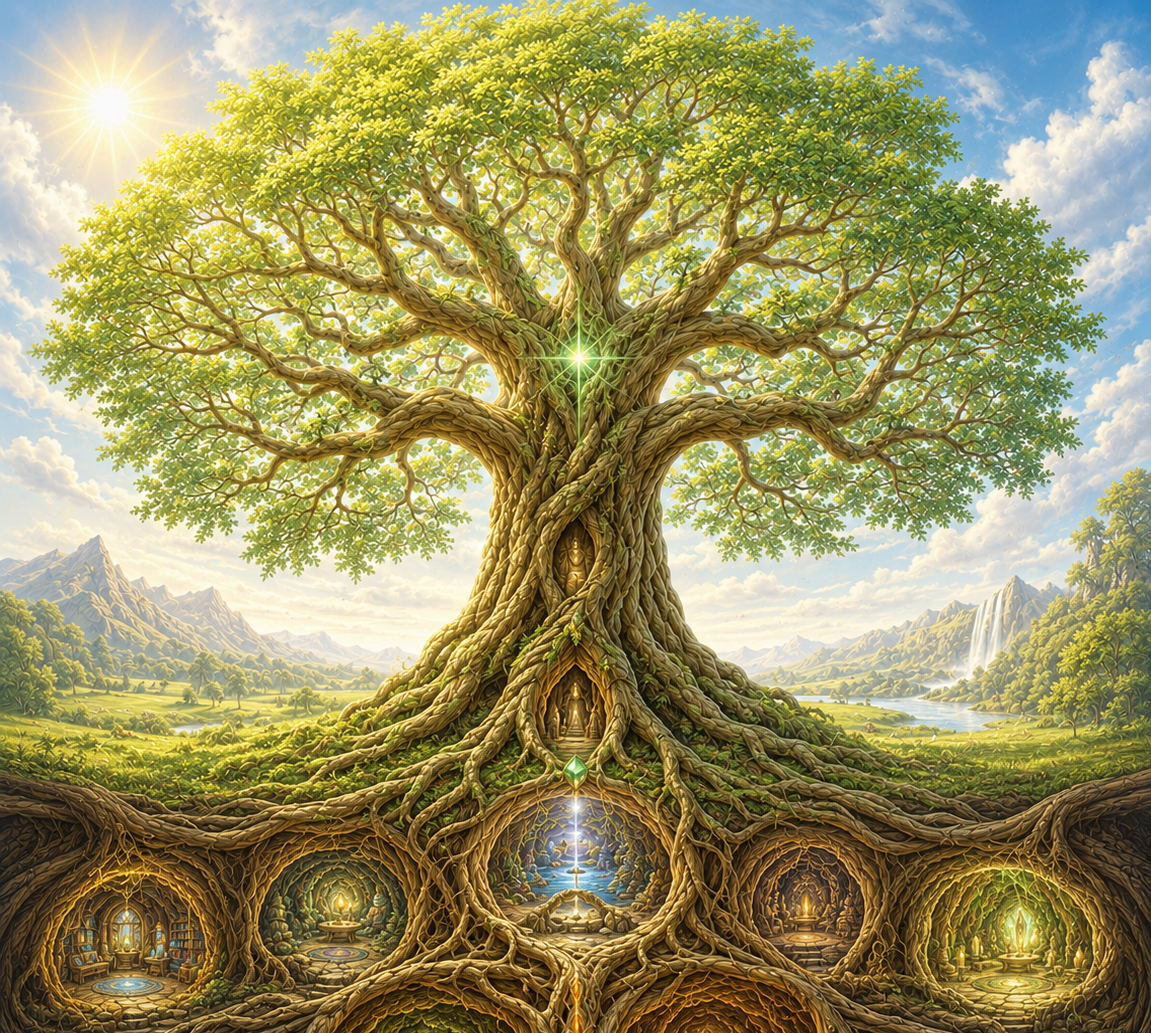
    The Tree of Life. The baobab or the ghaf tree or the sycamore that feed and water and shelter living things for years and centuries, long before and after you.

    The Books, the keepers of God’s word and will and testament. Avesta, Bible, Quran, Tanakh, Vedas. The singularity of humankind that human try to divide and claim possession over.

    For what is Sun to the earth, that is God to the soul.

    From the ancient shrine and altar to the house of worship built of wood or stone, built not to weather but to last. A testimony for peace and harmony, whatever the symbol is: a crescent, a cross, a star.

    From the Seven Wonders of the World to Familia Sagrada. From Gilgamesh who fights the bull of heaven in search of immortality to Falstaff who fakes his death. From Phoenix who endures on warmth and morning dew to The Raven, black and stately, and nothing more.

    The Sun. The eye of heaven when crosses paths with the Moon and dies in a ring of fire and comes to life again.

    Gravity that rules over the Milky Way or Backbone of Night. The space and time that boggles the mind.

    Afterthought. What about your immortality?

    AI can create a digital avatar. Reshape your face, past and future, why not? You choose the platform and colours and the rest is history.

    © 2026 Homo Ignoramus. All rights reserved.

  • Not Sure When to Stop the Time

    Not Sure When to Stop the Time

    A simple question you ask, a short sentence ended in whisper and eyes fixed at mine.
    The brain and heart are lost for words – the lips keep quiet.
    I have not got an answer to your question and
    to write a letter is considered outdated.

    I sit in my soft chair with the broken mirror at my back
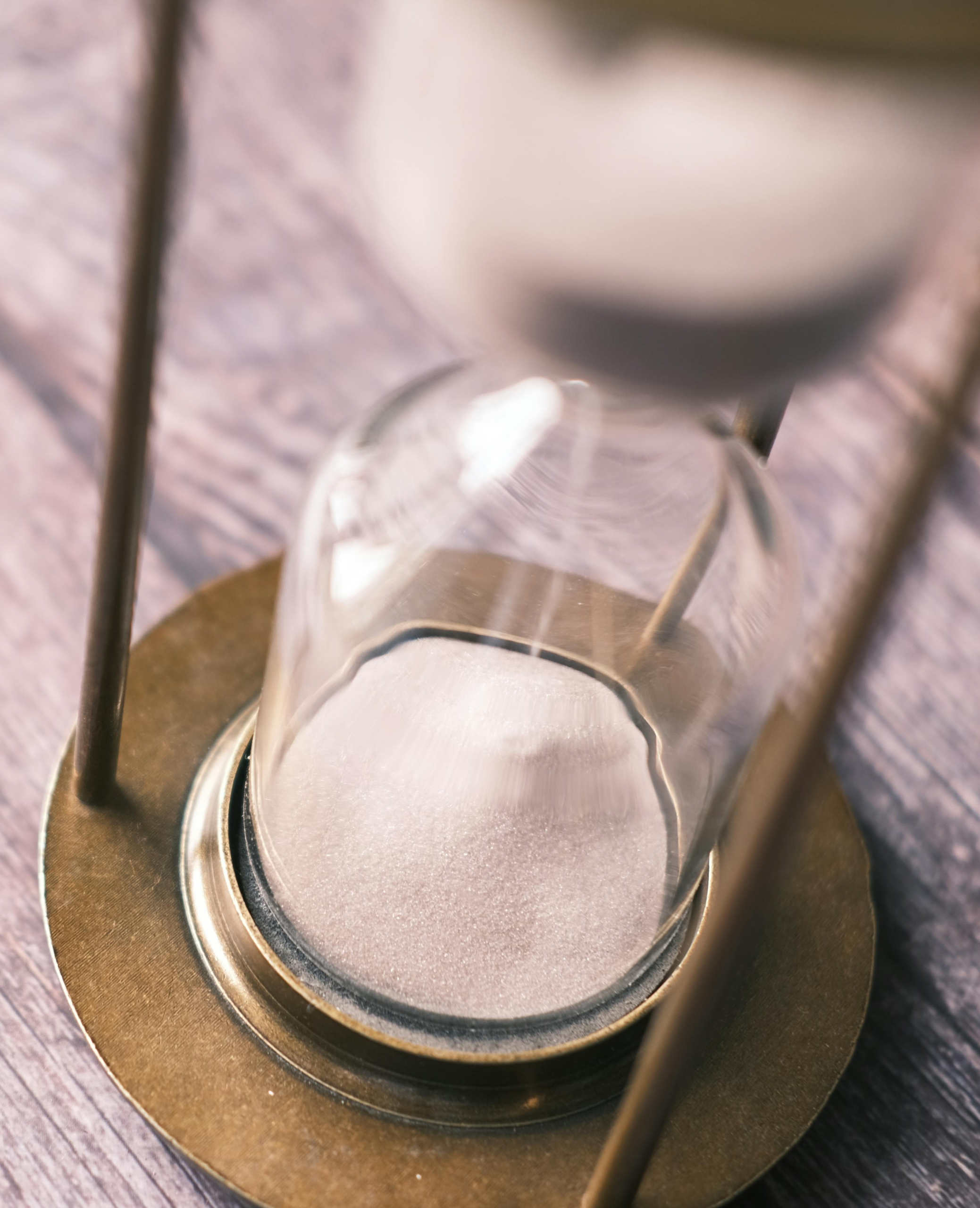
    and the sand running through the hourglass.
    I sit to write a poem.
    A poem about love yet to come with the next spring or
    the sea waves that come and go or
    the stars bright and distant.

    The door bell rings – it must be you.
    I ran to answer but no ... and toddle back to that chair.
    The words do not come and I have forgotten the premise.

    I sit in that chair in the corner,
    the corner of time where neither dreams survive nor plans.
    Succumbed to memories I want to stop the time.

    Not sure when.

    The mirror at my back falls in a myriad of shards.
    The sand stops running in a minute of silence,
    deep and sharp and timeless.

    © 2026 Homo Ignoramus. All rights reserved.

  • A Mother’s Story – an Everlasting Love and  Prayer

    A Mother’s Story – an Everlasting Love and Prayer

    Vera pushes her way through the crowd to get to the airport arrival lounge. Her eyes jump from one face to another and another. She tiptoes to see the arriving people in the distance.

    She will recognise him. Her heart will.

    A tall young man faces her. Eyes behind dark glasses, unkempt hair, slouch jeans.

    ‘Hello, Evan.’ Her voice breaks. She twists hands as to pray, her knuckles white.

    Evan turns his back on Vera and swaggers following the car park signs.

    A crackly voice announces the next flights. Children cry. Suitcases roll. Voices and sounds, the aircrafts’ whirring and droning blend in low-pitched yet deafening noise.

    His silence spread over the airport and drowns all the noise.

    Vera has her eyes fixed on the black road ahead. She has thought of thousands of questions to ask him, and now she does not know where to start.

    ‘How was –‘ A police car, flashing and wailing, speeds by them.

    Silence, thick and sombre, hangs in the car.

    ‘How was your journey, Evan?’ She turns to him. Oh! how she wants to see his eyes still hidden behind the dark glasses!

    ‘Fine.’ He says and looks through the side window.

    ‘That’s London Bridge. I’ve sent you a postcard with it, remember? Do you want to take a photograph?’

    ‘No.’ He takes a pad and a pen out of his bag and starts sketching with skilled short strokes. London Bridge with the cars buzzing and people busing along. The Thames with the boats. All grow on the paper in minutes. He has grasped the soul of the City, Vera thinks, but it is black and monstrous.

    ‘Don’t you like photography? I’ve always thought you like taking photos.’

    ‘What makes you think I like photography?’ His hand becomes quicker and wilder. With the last two strokes he rips the drawing and thrusts it in his bag.

    They have arrived at a street with small shops and a row of terrace houses stretching almost to the horizon. Vera has made her home here. A second-hand sofa and a bookshelf in the living room. A table with two chairs squeezed in the boxy kitchen.

    ‘Come upstairs, Evan, I’ll show you the room I’ve prepared for you. Do you like it? It’s small, only a bed and chest of draws, but in time you can put your stamp on it.’

    Evan looks around and shrugs. He takes his sunglasses and meets her eyes. The blue eyes Vera remembers.

    ‘You look older than I thought’, he says. ‘Nanna had kept your wedding photo for seventeen years. I binned the photo after Nanna died.’ The blue eyes turn to grey stare.

    The ghost that has been haunting her for all those seventeen years has caught her now.

    ‘Look!’ Vera points at a photo laid on the chest top.

    A boy with bright hair and missing two front teeth smiles at the camera. He sits in a garden on a patchy children’s blanket with a ball in his hands. Vera holds the photo and touches the glass where his hair is. She wishes she could stroke his head and listen to his giggles now as she did then.

    ‘That’s you Evan, when you’re 6. We had lunch in the garden. You don’t remember—’

    ‘Yes, I do.’


    A spring day it was, and Evan, Vera and Martin were having lunch in the back garden. The cherry tree blossomed in white with the first fruits popping up, and sparrows and bees were busing themselves around. Evan was chasing the bees.

    ‘No, Evan, no! Bees will sting you!’ Vera screamed but Evan did not listen and kept running after them. A bee stopped on a daisy, and he knelt and cupped his hands to catch it.

    The next day Vera had a call from the district hospital. She had just sent off Evan to the nursery and was washing up after breakfast.

    The phone rang and she answered it with hands still wet.

    ‘Your husband has had an accident…’ the voice kept talking but she could not listen to it any more.

    Ever since, this day stays in her memory like a silent film. Faces, eyeless and voiceless, jerk and jump before her eyes. Comical appearances at which she could not laugh.

    She ran along the corridor to the intensive care. Her husband lay on a stretcher. ‘Martin! Martin…what happened?’ Under the blood-stained sheets, his body looked like a loaf of bread, torn and gnawed at.

    Hours upon hours dragged on and on. The man brought back from the operating theatre was not her husband. That man was twenty years older than Martin, with a sharp nose and hollow eyes.

    She rested her head on Martin’s shoulder and choked in tears.
    How would they live? Few years after the political turbulence of 1989, Martin had opened a small shop to support the family. With her meagre teacher’s salary, Vera could not meet the ends now.

    She knew of people, many people, who had left the country. Like a festering wound, the idea had grown on her.

    The last evening with Evan… Vera could not find the words to tell him. She read the bedtime story and kissed him goodnight on the forehead, and just before closing the door she snatched his photo.

    And she waits for the day, the day of her second chance.

    Back from her cleaning work at Hilton, Vera sits and watches the telly. A phone call jerks her out of the routine.

    ‘Hello Martin—’ Vera listens to the cold even voice with no chance to say a single word. In less than two minutes the low drone of the disconnected line rings in her ear. She sits down with the phone in her lap. Her mind plays every word back.

    It’s not Martin. It is Evan—Evan—Evan—

    Evan is coming to England to study and wants to see her.

    What does he look like now? How tall is he? His eyes and hair?

    Vera paints the spare bedroom and buys furniture. Evan will stay with her while he studies. That is why he called, didn’t he? She will help him with her savings.

    Vera makes plans for a lunch in the back garden. She will cook for Evan. What would he like most? She has no idea. But it will be a sunny day, she is sure of it. She will see him and hold him and explain. The memory of Evan chasing the bees springs to her mind. She laughs. And she could not remember the last time when she laughed like that.

    Vera prepares the table under the lime tree in the back garden. She pulls out a chair and sits. Evan leans on the door frame and gazes at the birds circling above.

    ‘Sit down, Evan, please.’

    ‘Dad died.’

    Her shoulders jump. Those two words are like stones Evan casts to her face.

    The boy with innocent and brilliant eyes has changed. He has grown into a man with a dark hardened mask instead of face. Beneath that mask Vera cannot find a trace of forgiveness or a glimpse of hope.

    ‘What happened?’ Vera closes her eyes in a vain attempt to stop the tears.

    ‘Well…he died. He asked me to come here and give you this.’ Evan takes an envelope out of his bag and puts it on the table. He takes out another envelope the same size as his drawing pad. ‘And this’s from me.’

    ‘Was he ill?’

    Evan’s shoulders shake in convulsions. Vera gets up and stretches a hand to stroke his head and comfort him in his grief. He pushes her hand away.

    ‘Ill? No, he wasn’t ill. He was happy and healthy when you left, remember? He’s absolutely bloody happy to live the rest of his life in a wheelchair…with you always by his side…’

    ‘Evan, that’s been the hardest decision in my life…but I had no choice…think of it…I had no choice…’

    ‘How very convenient! You left because you didn’t love him anymore…or me…’

    ‘Evan, please, I’m your mother—’

    ‘Yeh, what makes you my mother?’

    ‘I’ve been sending money all those years—’

    ‘No one needed your money…no one.’

    Evan flings his bag over his back, and strides out of the garden through the kitchen to the hallway. Not a look back to Vera, not a slightest glance over his shoulder. He slams the front door behind him.

    ‘Evan, come back, please…’

    It starts raining. A big hard drop falls on the table. Another one on her shoulder.

    Evan’s shoes rattle on the drive gravel. Vera counts. Her heart beats with the rhythm of his steps. One, two, three…seven. Evan is out on the street. He has gone.

    7With numb fingers Vera opens Evan’s envelope. His drawings. Dozens of them, collected through the years, mostly in dark colours. With an uncertain hand Evan has drawn balloons and an image of a woman and written ‘Happy Birth Day, Mum!’, but later he has crossed it all with a thick black pencil. Another drawing of a crashed car. It is all black – the car, the trees, the sun. Only the spot next to the car is in red.

    Vera opens the letter from Martin. He does…did understand her…

    It starts raining. One drop on the table, one on her shoulder. In minutes the rain turns to hail. The first piece of ice, big and hard as a pebble, hits the window. It is a sharp and sudden blow. Her shoulders shudder in cold and fear, and pain. A small woman in a big cruel world.

    Vera presses the envelopes to her chest and rushes indoors. The wind gusts from north. It knocks over the garden table and chairs, and piles them against the hedge like a forgotten wreck.

    © 2026 Homo Ignoramus. All rights reserved

  • A Heart to Heart Conversation

    A Heart to Heart Conversation


    the lord god says, you are made of clay.
    but with an innocent start
    you do not know clay is made to decay.

    the lord god says, you are not here to stay.
    you laugh. you say, I will master the art,
    not bothered body is made of clay.

    time goes, shorter by the day.
    you cringe, you talk to the lord god, heart to heart.
    now you think, maybe clay is made to decay.

    soon you will be on your way
    but still, with a stubborn smile, you play the part.
    no matter you are made of clay.

    still have dreams and plans and hopes, you pray
    not ready yet to depart.
    oh yes, now you know clay is made to decay.

    the lord god laughs, time always comes to pay.
    you faint of heart,
    should remember you are made of clay
    and clay is made to decay.

    © 2026 Homo Ignoramus. All rights reserved.

  • A Short Donkey’s Story: the Price of Love

    A Short Donkey’s Story: the Price of Love

    All clever humans say not to start a story with a storm and rain in a dark night. But I am a donkey and I can’t think of anything better.

    Rain pours down and the fertile land turns to mud. Humans and animals, all God’s creatures, with rubber shoes and bare feet and hooves thick with grime, we wade ahead. At times, a child cries out or a dog gives a short throaty growl. Before long, only the squelch of each footstep disturbs the silence.

    The throng of people drags for miles, straggles from end to end of the crop fields and zigzags through forests. And the way is lightened only by the Worm Moon.

    Master is the first one of our family to walk leading me by the reins. His staff splatters mud when hits the ground. He walks with eyes cast down. Once he stops to look at west toward the village. And a long and quiet look that is. He moves and gingerly pulls my reins. I drag the cart, heaped with bundles of possessions.

    Mistress sits on top of them with baby John. My hooves sink deep, I brey and stop. ‘Shush…we have to cross the river’, says Master and pulls on the reins again. And in silence and darkness we are heading eastwards.

    That evening when we have left, Master comes to me in the stable. I sniff his shirt and sense something is different tonight. He puts the halter on me and hitches the cart and takes me out. Not a single word he utters. Master faces the house and goes around it. His hand is running along the window sill and the whitewashed wall and stone corner. ‘A little gem nestled in the groove’, he says.

    Master hurries in and out the house and piles bundles in the cart. ‘It’s too heavy. We’ve to leave some behind,’ says he and throws a few bundles out. Mistress holds baby John in hands and climbs on the top of the cart. In the nick of time, she touches a bud of the apple tree she planted after John’s birth.

    The house door gapes open as if to scream and the windows turn black like deep caves. The house starts smoking and cracking and hissing. And flames loom and lick the walls and envelop it whole.

    Master rushes out of the house and shouts ‘Let’s go!’, and pulls my rein. The roar of the fire drowns his voice.

    I don’t move a hoof. This is my home. I was born in these stables by modest parents. My birth was a sign that the house is blessed, for a glossy and sturdy little thing I was born. Not grey but white. And a white donkey for us, the four-leg creatures, is like a saint for the humans.

    Master was a young boy then and we have been growing together since. I graze on the lush farm pasture and run through it and drink on the brook and rest for hours on end. At twilight, Master comes to me and takes me to the stable, and stroke my main. ‘You’re noisy and stubborn, but it’s not all bad about you, my friend. You’re stoical and loyal’, says he and strokes me again. I lie down and munch on oats and he sit opposite me and tells me a story.

    ‘Once upon a time an ancestor of yours, yes a donkey, had the Mother on his back, and clip-clop he took Her to that manger to give a birth to the Son. And the Son grows and becomes the Messiah’, Master says. ‘And the Messiah travels as a humble preacher and peace maker riding a white donkey, and not as a lord to wage a war on the back of a proud horse.’

    A young man he grows, broad in the shoulder and bold in the eye. And comes the time for his wedding day. On his way he goes, with me, of course! We take the road across the pasture, along the brook to the forests. And a sunny day of March it is, with all the daffodils blossoming and bluebirds warbling.

    Master is proud and I am slow. He picks a daffodil and puts it in his buttonhole, and puts a few on my halter and strokes my head and says, ‘Don’t munch on them, my friend!’ And his laugher is as radiant as the spring sun.

    But here and now, I am in the hardest of times. ‘It’s a long way, my friend, we have to go!’ says Master and strokes my head and gives me a piece of bread.

    We take the same road that we set off on the wedding day. It’s March yet again but no daffodils. It starts drizzling. ‘It’s good for the crops,’ Master would say in better times but now only pops up his coat collar, looks up to the darkening sky and murmurs, ‘To Hell with it!’

    Through the fields more villagers coming and a throng of people wade careless of the hard labour they put in to seed the crops. The Worm Moon marks the time when the ground wakes and warms up. The wheat starts just now to push up though the soil hopeful for the spring warmth and rain.

    But the Worm Moon is clouded. The sky is darkened now. Like a flock of sheep that has lost their shepherd people go. Horses and donkeys pull the carts. Dogs and sheep and cattle flounder along. And they all venture into the forests.

    Human and animal bodies lie in preternatural positions and no one stops to bury them. A crow, dour and unsatiable and insolent, swishes through the oak tree branches and descends next to a dead horse and feeds on it.

    The drizzle turns to a torrent. Raindrops, sharp and hard like a smack in the face, pelt down and mix with earth and ashes and dust.

    The forests go steep now. My legs sink in the mud above my hooves, and the cart wheels sink deeper and deeper with any further move. Master pushes one wheel with his shoulder but the cart doesn’t budge. ‘Damn it, it’s broken. We go on foot now’. He unfastens the halter, and takes John and a bundle of bread and ties them to my back.

    ‘Once we go over the hill, my friend, it will be easy. Then you have to take care of Mistress and John, and cross the river, and I have to go and do my job…whatever men do at war.’

    And a sweet thought springs to my mind. I think about the future when the war is over. We are back home and Master and Mistress repair and whitewash the house, and I roam and graze on the pastures and play with John…

    Master takes a breath and with a heave pushes the cart downhill. It jumps and sways, cracks and screech, hits a tree and jerks to a halt. The loose wheel gets separated, spins for a while and tumbles a few yards apart. Master stares at it and spits down.

    A pull of the reins and a prod of the staff and off again. I look at Master. The eyes are void and secretive, and a furrow, like a gaping wound, halves his forehead. Grey stubble has grown on his chin and cheeks, and his shoulders has hunched.

    The first rays of sun shine through the thick forest canopy. Waters roar down in the valley and the echo travels for miles. The river banks can’t confine the waters now. The white rapids upstream merge with rainwater and silt and clay. It has grown, wild and deep, and ghoulish. Torrents run and swash over cobblestones and boulders and rocks. Clumps of soft earth, gnawed at by currents and winds, crumble in the water with a thud and splash. And the river takes all: abandoned possessions, fallen trees, stiff carcasses.

    An awe to behold! People stop and listen and watch the dance macabre.

    The river, invincible and heartless, witnesses the throng of people wading the ford, tripping and falling and rising, pushing carts and wagons, dragging children and animals in one last, the most obstinate hope for survival. But many a time a soul is taken by the whirlpools. They struggle and scream and pray, and give up.

    We have reached the ford. Grey froth is washing my hooves. I may be slow on thinking but I sense danger and refuse to go. I have to protect my family.

    Master pulls the reins. ‘Com’on, my friend, let’s go!’ His voice has never been so raspy. His staff has never been so heavy on my back. ‘There’re donkeys among people too, my friend, more stubborn than you…and when them important jerks start kicking each other that’s when little sous, like you and me, snuff it…’

    His lips quiver as he speaks. Master strokes my back. I know his hands. They are gentle, though hefty from the hard work. But they never shake like this.

    Master holds the staff with these two hands and strikes.

    Whak! The first blow doesn’t hit my knee. I wince and bray. I wonder what has happened to his hands that fed me, and his voice that told me stories, and his mind that could read mine whenever I was hungry or thirsty or tired.

    He raises the staff to hit again.

    Mistress stands between two of us. ‘Don’t, please, it’s not his fault, he doesn’t understand…’

    ‘No, they won’t have him, no…they’ll work him to death.’

    Master wipes a tear with his sleeve. He aims again. He hits.

    The second blow does the trick. Pain shoots from my knee up to my spine to my heart. The joint is smashed. Blood spouts out and trickles down my leg. As I shake, Master aims the other knee. Hits and breaks it on the first time. I fall. I fall on my knees as humans do to pray to their God.

    I want to ask Master what I have done to him to strike me three times?

    Water, choked with mud and blood and filth, surges up to my chin.
    The Worm Moon has faded. The sun, bright and formidable and eternal, is too busy to see or hear a little creature like me. It will not change its trajectory or wince at trivial worldly deeds.

    Thus, my story ends.

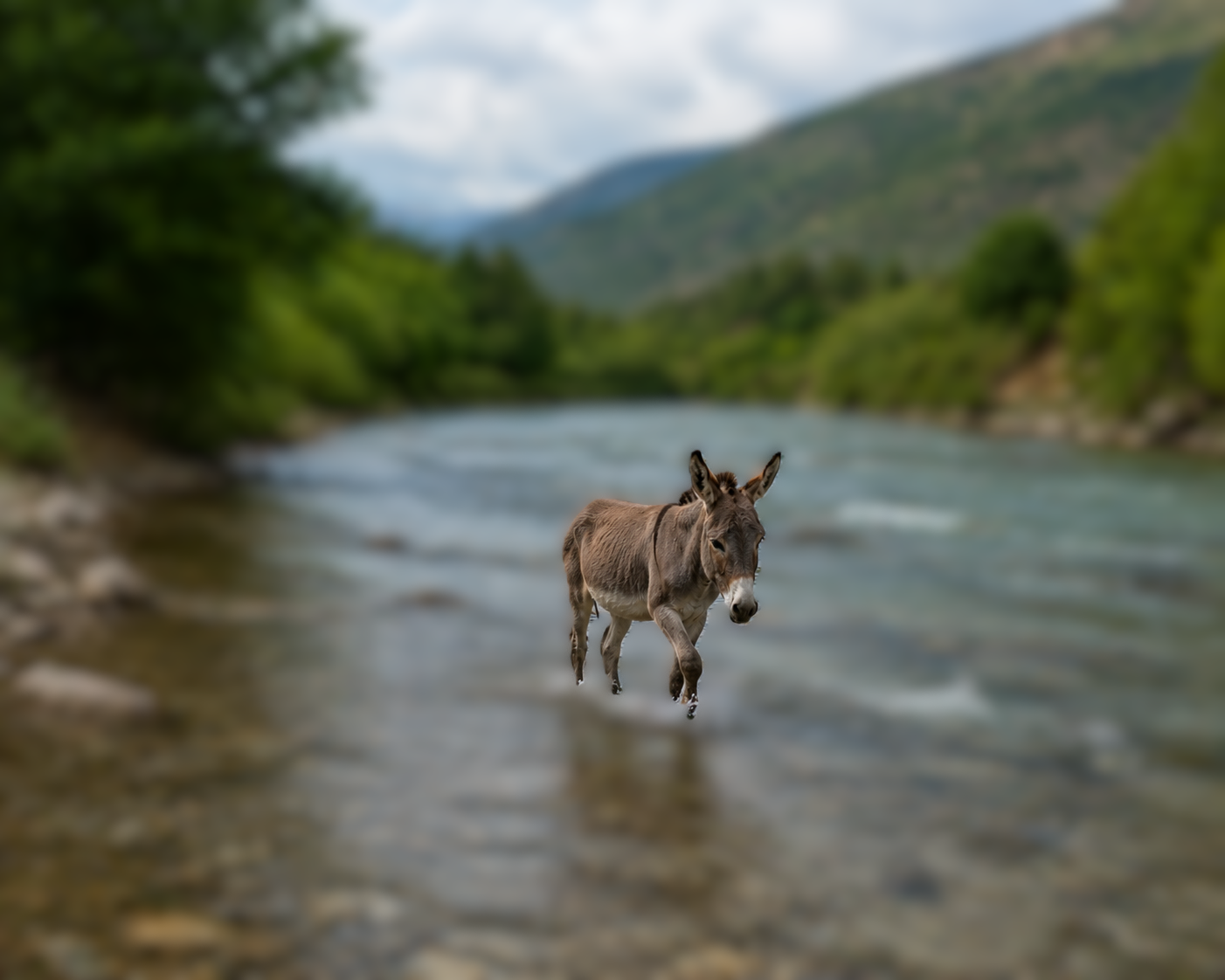
    If you don’t like this end and see me swollen and stiff, I could think of another one. I will turn my back on humans and walk away. I will walk on the pure white water and cross the river, away from pain and blood and death.

    © 2026 Homo Ignoramus. All rights reserved.