The sailors toss the lines to the handlers to dock the ship. A string of men, women and children grip the manropes and straggle down the ladder. Guarded and shackled, they are led to the market less than a mile from the dock.
The guards prod and poke the men in one line, women and young children in another.
The buyers come in. With sharp eyes they look for the best deal. They are numb to the smell of sweat and coagulated blood, deaf to the groans and cries, inured to tears or hateful glances.
A tall man in a canvas overall and mud-crusted boots looks at Sandy and his mother. I want the boy, he says pointing at Sandy with his whip.
The farm house is fenced with wooden rails and surrounded by an orchard of apples and walnuts trees. The pride of the farm is the hickory tree a hundred feet tall, planted by the first settlers, or so the story goes. Behind the house, almost hidden by sight are the stables and slaves’ quarters. The cotton plantation stretches as far as one can see.
Before dawn Sandy gets up and picks up the cotton, and his small black hands look smaller and blacker against the white endless fields. With low and gentle voice, he croons and hums and warbles.
Stop it, boy, faster! Master yells. The leather whip hisses through the air and cuts Sandy’s back. Blood soaks his shirt. He stumbles forward but does not fall.
That little sambo…he’s annoying, he doesn’t shut up, says Mater at the dinner table.
Because he doesn’t want to think or remember, says Mistress and looks at their son with soft eyes.
The sun is setting in cold indigo and crimson, as if tired of the human world. A deep angelic voice echoes over the plantation and reaches the horizon. It is a dirge and elegy and prayer. They all, masters and slaves, listen.
Sandy sings about his country where he was born. The warm beach, with turquoise water and coconut palms and fine sand, stretches miles and miles to infinity. The wooden family house nestles just a mile inland.
The big ship blackens the rising sun. The men come in boats rowing hard. Rough faces and cloths, most of them armed. The village turns to a ghost place with all the people taken to the ship and across the Atlantic Ocean.
Sandy has never known about such a place where people are traded, like bananas or cattle or carts. He clasps at Mother’s hand. They have pulled all men to a separate line. Sandy does not know it is the last time he sees his father. Never seen before father’s eyes in tears.
A man in an overall and mudded boots points at Sandy with his whip says, I want only the boy, no, not the woman.
The haggle is long and loud but he pays the price. He’s young, check his teeth, says the slave trader.
Sandy does not know it is the last time he sees his mother. Stretching her hands to him and crying his name.
It is a hot day of August, at the peak of the harvest. Sandy does not come to the fields. All men and hounds summon and hunt for hours.
Some people remember seeing Sandy walks through the fields, and croons, hums, warbles. The cotton bushes open and make a path for him.
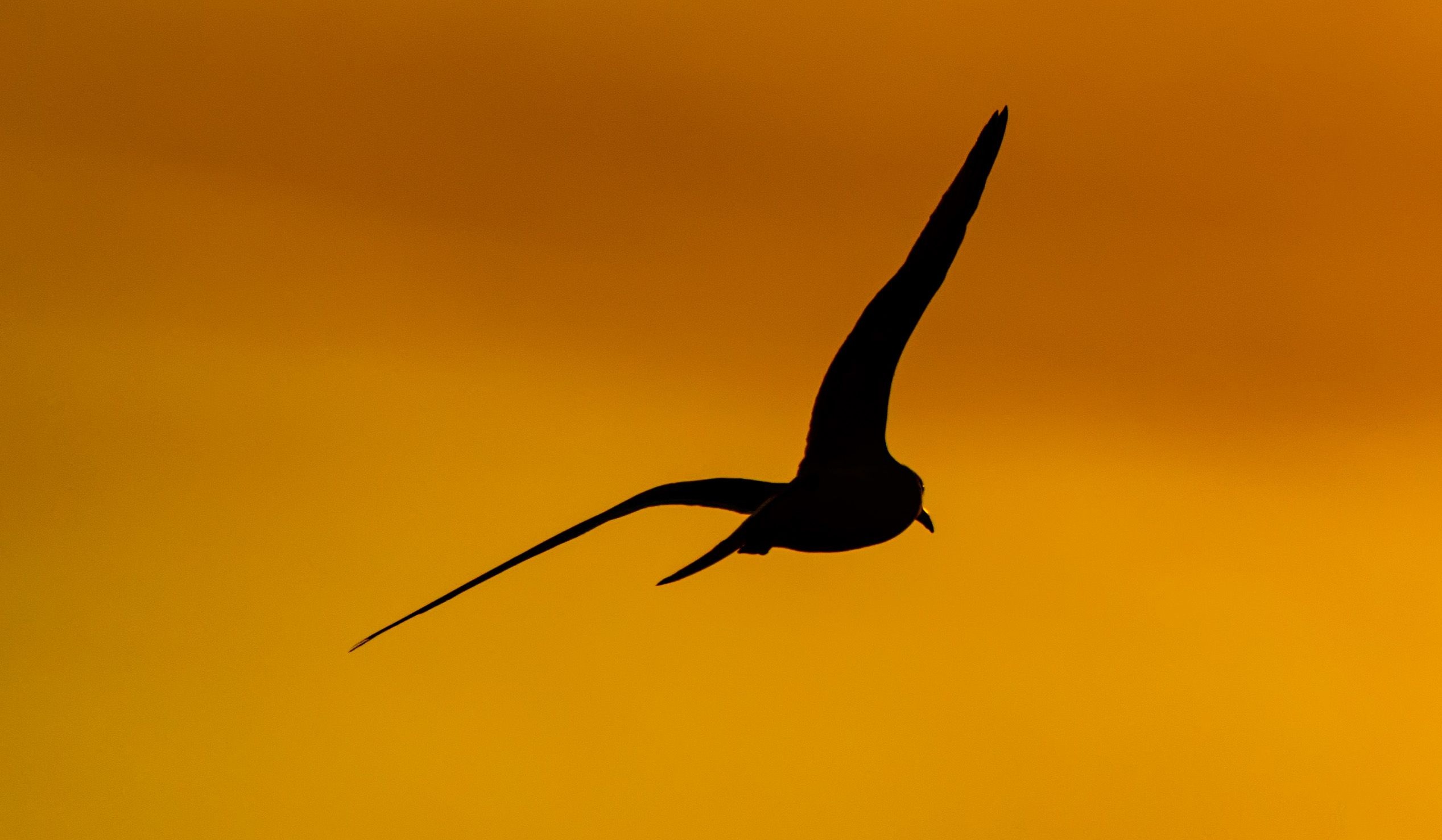
Others swear that they have seen him on the hickory tree top. Stands there on tiptoe and stretches arms like bird’s wings. Flies up and up and takes the path lit by the setting sun. So bright is the path that they have to squint and shelter their eyes. The sun opens his rays like arms and embrace him.
© 2026 Homo Ignoramus. All Rights Reserved